
Your cart
There are no more items in your cart
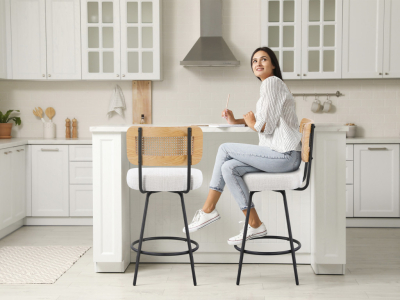
Bar stools and chairs for the kitchen or living room
Categories :
Chairs
, Interior furniture
, Practical Guides
Choosing the right bar stool and chair transforms an ordinary bar into a pleasant and functional dining area: height, style and materials make all the difference between a well-considered purchase and a miscalculation. The range of bar stools and chairs available should first be compared on the basis of these practical criteria.
Bar stools or bar chairs: how to make the right choice
The right choice depends on the seat’s structure and its actual everyday use. The backrest, overall dimensions, any height adjustment options and seat height directly influence comfort when sitting at a counter, an island or a dining area.
Bar stool or bar chair: the key differences
The difference often comes down to whether there is a backrest. A bar chair provides better support for longer meals, whilst a stool is more unobtrusive and slides easily under the worktop once in place. If height adjustment is important for your needs, as demonstrated by this black bar stool, this type of model is well suited to a counter used by several people.
A set of 2 bar stools for a cohesive look
A set of two bar stools allows you to furnish a kitchen island without the set looking mismatched, whether it’s a pair of high chairs or a pair of stools for a more compact look.
In practice, there are three advantages: visual balance is achieved immediately, assembly is easier, and buying in a set is often better value. This consistency is also reflected in how the set is used, with a neater alignment around the dining table.
The ‘Wilfried’ model is a good example of this approach: these bar stools are sold in sets of two, with a seat height of 67 cm, dimensions of 54 x 46 x 94 cm and a maximum load of 150 kg per seat.
Snack stools and fabric bar stools according to their intended use
The snack stool is well suited to quick meals around a 90 cm table. Conversely, a fabric bar stool is better suited to leisurely lunches thanks to its padded seat and more enveloping backrest.
The choice of materials is just as important as the design: fabric for a cosier feel, a lightweight frame for easy movement, and a swivel version to move around a small room without obstruction. Where space allows, a 360° swivel seat is preferable, as it offers greater flexibility when seated around a kitchen island.
Choosing the right height and dimensions for your stool
The seat height determines day-to-day comfort. Whether it’s a snack stool, a fixed bar stool or an adjustable bar stool, just a few centimetres can make all the difference to the position of your legs, the support for your back and how easily you can reach the counter.

Adjustable or fixed-height bar stools: which to choose
The right choice depends on the height of your counter and the number of users. An adjustable bar stool with a gas lift, such as the ‘Cocktail’ model, has a height adjustment range of 22 cm: its seat height varies from 67 to 89 cm, allowing it to be adapted to different bar tops and a range of user heights.
Conversely, a fixed-height stool is ideal when the counter height remains constant. However, keep this simple rule in mind: there must be at least 10 cm between the top of the knee and the underside of the worktop to ensure comfortable seating.
| Type of stool | Seat height | Compatible counter height | Recommended use |
| Snack bar stool | 60 to 65 cm | Approximately 90 cm | Standard kitchen island |
| Fixed bar stool | 75 to 80 cm | 104 to 109 cm | High bar counter |
| Adjustable stool (gas lift) | 67 to 89 cm | Variable | Mixed use, multiple users |
2 bar stools: how to work out the space required
Before choosing two bar stools, start by measuring the usable length of the bar. The difference often lies in the materials: a fabric-upholstered seat takes up more space than a slim polypropylene model.
Next, allow 15 to 20 cm between each bar stool to ensure there is plenty of room to move around. Depending on the situation, this spacing may need to be increased to 25 cm if the stools have armrests or a wide seat, to prevent them from touching when in use.
Set of 2 bar stools to make the most of your bar counter
In practice, whether for an open-plan kitchen or a bar area, choosing a set of two bar stools makes it easier to achieve a cohesive layout. It gives you a simple reference point for checking the total width of the row and adjusting the spacing between the seats.
The ‘Wilfried’ model, 54 cm wide, fits perfectly on a countertop of around 130 cm whilst maintaining the recommended comfortable spacing. If the room is more compact, a backless stool is a more unobtrusive option; a high bar stool requires more depth once positioned under the worktop.
Materials and styles for every bar stool
Velvet, chrome-plated metal, cane, wood or plastic: each finish alters both the look of the space and the level of maintenance required. The right choice comes down to two factors: the daily use of your dining area and the atmosphere you wish to create around the counter, from stools to bar chairs.
Velvet or fabric bar stools: which to choose
A velvet bar stool creates a cosy atmosphere, often sought after in a contemporary interior or a more retro-style setting. Velvet in deep shades – black, emerald, midnight blue – requires you to act quickly if a stain occurs. Conversely, a beige fabric is more understated and blends easily into a variety of interiors.
- Velvet: a warm and refined look, suitable for reception areas; requires immediate cleaning if anything is spilled on it.
- Fabric: supple and comfortable for everyday use, easy to coordinate; more prone to stains in a busy kitchen.
- Faux leather: easy to maintain with a damp cloth, with a finish similar to that of a leather bar stool; susceptible to scratches and snags.
The ‘Wilfried’ designer bar stool combines a seat made from 24 kg/m³ density foam with a 29 cm high backrest: providing a good level of support to make your time at the snack bar last longer. The same design is available in a more compact format as a velvet bar stool, for when space is at a premium.
Stools in metal, wood or plastic to suit your interior
A chrome-plated metal frame withstands repeated use well and is easy to clean, whilst a wooden bar stool or a teak bar stool requires greater care to protect against moisture and splashes.
- Chrome-plated metal: durable and low-maintenance; an industrial bar stool, a contemporary bar stool or a swivel bar stool all benefit from a sturdy base.
- Wood: visually warmer; wooden bar stools and wooden and leather bar sets are well suited to natural or classic interiors.
- Rattan and cane: light in appearance, suited to bohemian interiors; both rattan bar stools and rattan bar sets bring this decorative flexibility.
- Polypropylene and plastic: practical for everyday use; plastic bar stools are lightweight and easy to clean, whilst designer bar stools made from ABS resin add a more contemporary touch.
Depending on the layout of your space, the finishes set the tone. A tall black metal bar stool gives off an industrial vibe, whilst a Scandinavian-style bar stool in light wood and brushed metal visually lightens the overall look. A leather bar stool or a vintage bar stool, particularly in brown or weathered finishes, fits into a more classic style.
Care instructions for each stool depending on its upholstery
A swivel bar stool made of metal or plastic can be cleaned in just a few simple steps, making it well-suited to a busy lifestyle. Stools and chairs in faux leather fall somewhere in between: they’re easy to look after, but their surface is more vulnerable to heavy wear and tear.
A designer bar stool with a wicker backrest is easy to dust and retains its light, airy look. Conversely, a comfortable wooden bar stool, such as one with armrests or a tall oak bar stool, requires regular varnishing to preserve its appearance. Habitat et Jardin offers a 2-year manufacturer’s warranty on its models, which are designed for intensive daily use; versions with rubber protectors under the legs also minimise scratches on the floor, whether it’s a bar stool, a designer bar chair or a swivel chair.
Frequently Asked Questions
What seat height should you choose for a bar stool?
The right choice depends on the distance between the seat and the underside of the worktop: allow 25 to 30 cm to ensure comfort in everyday use. For a standard island measuring around 90 cm, a snack stool with a seat height of 60 to 65 cm is generally suitable. If your counter is between 104 and 109 cm high, opt for a bar stool measuring 75 to 80 cm.
Depending on the layout of your space, a model with a gas-lift mechanism can make it easier to use, especially when several people are using the same seat. A 22 cm adjustment range provides plenty of flexibility.
What material should you choose for a durable kitchen bar stool?
In the kitchen, the material is just as important as the design. Chrome-plated metal and polypropylene are the best choices for a bar stool used every day: they withstand damp well, are quick to clean and can cope with heavy use.
Faux leather remains a good compromise if you’re looking for greater comfort without complicating maintenance. Conversely, wood creates a warmer atmosphere but requires regular varnishing to better withstand splashes. Fabric and velvet are better suited to a dining area that isn’t heavily used or to a bar area. Habitat et Jardin offers a 2-year manufacturer’s warranty on its models.
How do you choose between a bar stool and a bar chair?

The difference often comes down to how you’ll actually use them. For sitting at the table for long periods, a high bar stool with a backrest provides more stable support. For quick stops, a bar stool takes up less space and slides more easily under the counter when not in use.
In an open-plan kitchen or living area, it also depends on how people move around the seating. A swivel bar stool makes it easier to sit down and stand up, particularly when space is tight or the dining area is compact.