
Your cart
There are no more items in your cart
Garden furniture – description and uses
Definition and history of garden furniture
Definition
From a linguistic point of view, the meaning of the word ‘salon’ varies depending on the context. In architectural terms, it refers to a room designed for receiving visitors or to the furniture found within it. The word can also be used to refer to premises for public use, such as art and literature salons, tea rooms and hairdressing salons. . . In an economic context, ‘salon’ means an exhibition. We therefore speak of motor shows, agricultural shows, housing fairs, furniture fairs, telecommunications fairs, etc.
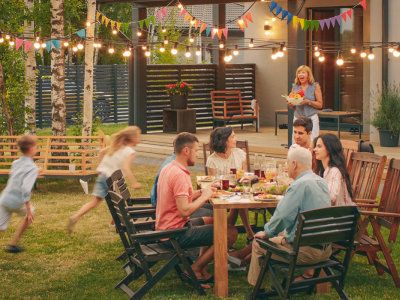
Garden furniture is outdoor furniture whose composition varies depending on its intended use. It may consist of a set comprising a table (or bar) and chairs (from 4 to 10), a coffee table with sofas (standard or corner), a coffee table with armchairs, benches and stools. . . Today, garden furniture comes in several categories depending on its materials, functions and design. . . As well as being practical, garden furniture has become a decorative feature for the home’s outdoor spaces (veranda, terrace, garden, swimming pool, etc.). Thanks to it, the garden has established itself as a new living space for relaxation and leisure.
History
In the Palaeolithic era, people naturally did not speak of garden furniture, but early humans, who lived by gathering and hunting, had created ‘ritual and magical gardens’. Following the discovery of agriculture (8,000 years BC), the first gardens in human history appeared in Mesopotamia around 5,000 years BC. The Hanging Gardens of Babylon are still counted amongst the Seven Wonders of the World.
Ever since becoming sedentary, humankind has always needed furniture. After stone, the ancient Egyptians crafted their first garden furniture from plant fibres, using woven wicker. Reeds were, in fact, very abundant in the Nile Valley. Later, they were found in other ancient civilisations such as Persia, Greece and Rome.
As well as their sacred nature (blessed by the gods), ancient gardens were the preserve of the ruling aristocracy. In Western Europe, the first gardens were laid out around abbeys in the early 10th century. From the 14th to the 19th century, the evolution of French furniture was characterised by a succession of 13 classical styles: Gothic, Renaissance, Louis XIII, Louis XIV, Regency, Louis XV, Transition, Louis XVI, Directoire, Empire, Restoration, Louis-Philippe and Napoleon III, with a predominance of wrought iron.
The Renaissance (15th–16th centuries), with its return to antiquity, gave new impetus to gardening. In the 18th century, Rousseau, marvelling at English gardens, described them as ‘places of contemplation, stillness and silence’. Following the discovery of the Americas and the Far East, new species of plants (crops, etc.), trees and flowers were introduced into European gardens. In the early 20th century, gardening became more widespread. Even the working classes began to acquire small gardens. Outdoor furniture, which first appeared at the end of the 19th century (the end of the Classical period), then underwent rapid development. The use of new materials and the adoption of modern styles went hand in hand.
Nowadays, the stress caused by urban life and pollution issues have highlighted the garden as a private natural space for living, relaxation and leisure. Families find fulfilment there. The garden is no longer merely an outdoor space; it has become an integral part of the home.
In the manufacture of garden furniture, the range of materials has gradually expanded. Today, the garden has become a multi-purpose space. With a variety of furniture and equipment, it serves as a living room, a dining room, a sports area, a space for swimming and sunbathing (around a swimming pool or on a terrace), and a venue for receptions and galas. We step outside the house to enjoy the greenery.
Alongside this change in our lifestyle, garden furniture has established itself as an essential item. More and more manufacturers, craftspeople, retailers, advertisers and designers are taking an interest in it. Their stands stand out at specialist trade fairs. Among the upcoming events is the 14th edition of the ‘Tendance Nature’ fair, which will take place at the Parc des Expositions in Paris from 18 to 20 March 2011. It will feature themes such as ‘Gardens & Rare Plants’ , ‘Environment & Living Spaces’ and ‘Ecotourism & Handicrafts’. A little later, the ‘Habitat et Jardin – Durablement Constructif’ fair will take place in Chambéry from 15 to 18 April 2011. It will bring together 330 exhibitors across an area of 27,000 m². Its main themes will be construction and renovation, furniture and interior design, gardens and green spaces, and public works and construction.
Locations and uses of a garden furniture set
Placement
The location of a garden pavilion depends on several factors. The size of the garden and the area set aside for the seating area, as well as existing features (swimming pool, lighting, paved paths, etc.) may be important considerations. The function of the seating area and the elements it comprises are decisive in determining its location.
A set consisting of a large table surrounded by chairs should be placed near the kitchen. Sets with sofas and a coffee table are suitable for terraces or a landscaped area (paving, lighting, etc.) set amongst flowers and lawns. Those with loungers and sunbeds should be placed near a swimming pool. Chairs or armchairs can even be fixed in certain spots in the garden, much like in public parks (for resting after a jog, etc.). When choosing where to place garden furniture, other factors must be taken into account. It is very useful to have a look at the possible locations beforehand. You simply need to set aside a day for this. It will be very difficult to eat in intense sunlight. A spot sheltered from the wind in a shaded area poses no problem.
Ensuring privacy is also an important consideration. The spot for the garden furniture should be shielded from any prying eyes of neighbours (pergola, hedge, wall, etc.). A spot close to the house and well-oriented offers other advantages (quick access to supplies and easy storage in the event of a downpour, etc.).
Other equipment and accessories (arbour, large parasol, tent), on the other hand, allow you to place your garden furniture set further away from the house (amidst the greenery or by the pool). This latter option will complement the garden’s décor provided that the material and design of the furniture set blend in with the natural surroundings. A garden seating area can also be sheltered by a covered patio or a conservatory.
If you don’t want to always eat, chat or relax in the same spot, some people opt for portable garden furniture sets (which can be dismantled, with folding tables and chairs). This way, you get closer to nature and break free from the daily routine. When planning the layout, you mustn’t forget to include an electrical connection and, to a lesser extent, air conditioning.
Uses
A garden seating area designed for lunch or dinner should be chosen according to several criteria. A nuclear family with two children may be happy with a medium-sized table and four chairs. A larger family with a more active social life (dining with relatives or guests, friends, etc.) will need a large table or an extendable table with around ten chairs. If you’re having a barbecue dinner, the garden furniture set should be close to the barbecue and its accessories.
A garden seating area designed for entertaining family or friends can take various forms. It generally consists of a coffee table, sofas, armchairs and sun loungers. . . The architecture, colours and design of all these elements are tailored to the owner’s requirements (their tastes, the style and standard of their property, etc.).
A garden seating area designed as a decorative feature is subject to different criteria. A corner, square or rectangular seating area will suit a straight-lined terrace. An oval-shaped ‘new wave’ seating area complements the design of a house with curved architecture. The garden furniture must also be in perfect harmony with existing features (in-ground or above-ground swimming pool, garden shed, garage, etc.). Otherwise, it will clash with its surroundings.
Types of garden furniture
Classic-style garden furniture sets
Wrought-iron garden furniture
Wrought-iron garden furniture is mainly used for both indoor and outdoor decoration. Wrought-iron furniture has been crafted for centuries by artisanal smithies. From the late 19th century onwards, with the Industrial Revolution and the advent of metallurgy, these products have managed to retain their share of the indoor furniture market. Because they have become timeless, wrought-iron garden furniture sets have been providing a ‘nostalgic’ garden décor for over 20 years.
New designs are crafted from pure iron or a combination of iron with other materials (metals, marble, glass, etc.). They feature romantic or contemporary styles that lend the garden a rustic feel, evoking the ‘good old days’. Their craftsmanship and finishes meet the expectations of an increasingly discerning clientele. The new wrought-iron garden furniture sets come in a wide range of colours (black, brown, russet, bronze, etc.). With matching accessories, they are sure to catch the eye of visitors.
Garden tables with glass tops are suitable for sheltered areas (under a arbour, awning, etc.). Those with marble or slate tops are more durable. Other components of wrought-iron garden furniture can be finished in various ways depending on the furniture’s location and intended use (woven resin, synthetic resin, rattan, etc.).
Renowned for its sturdiness, aesthetic appeal, malleability and refinement, wrought iron can produce weather-resistant garden furniture sets. Complementing the design of other wrought-iron ornaments (windows, garden lanterns. .), these sets blend easily into a rustic setting. Regarded as ‘high-end’ garden furniture, wrought-iron sets offer unrivalled durability (over 20 years).
Stainless steel garden furniture
This type of garden furniture set offers a more pronounced ‘industrial look’. Depending on the type of steel used, these sets can be smooth, textured, matt or polished. Used in the furniture and interior design industry for over 70 years, steel is now combined with other materials (wood. . .) to create high-quality designer garden furniture sets. Coated with a layer of chrome, DIN 1.4301-grade stainless steel offers remarkable resistance to corrosion.
Regarded as a ‘mid-range’ product, a stainless steel lounge set has an average lifespan of 8 to 10 years. The best models are completely waterproof and resistant to ultraviolet rays. Unlike wrought-iron garden furniture, stainless steel garden furniture requires no anti-rust treatment. However, its paint finish should be thoroughly baked. The chairs can be upholstered with PVC fabric or fitted with cushions.
Aluminium garden furniture
These sets can withstand all weather conditions (corrosion, heat, frost, snow). They remain unaffected even in the harshest conditions. These sets can last for over 10 years. Compared to wrought iron and stainless steel sets, they are reasonably priced. Aluminium garden furniture sets are available in two styles:
- Furniture sets with a tubular frame consist of a PVC canopy combined with aluminium tubes. Even without cushions, aluminium chairs are comfortable. Easy to fold, they can be stacked and stored away quickly.
- Cast aluminium garden furniture sets (made from cast aluminium) are heavier and more durable. They are manufactured from aluminium ingots. As they bear a strong resemblance to wrought iron chairs, aluminium chairs are typically used with cushions. This type of garden furniture represents the ‘top of the range’ in its category.
With an ‘industrial-style’ look , aluminium garden furniture is an added bonus for a home with modern architecture. It is particularly well-suited to new builds featuring stainless steel and tinted glass. There is no doubt that it blends perfectly with other similar features (sheds, garages, swimming pools, etc.).
- The upholstery of metal garden furniture sets varies depending on the type of metal and the buyer’s preferences. For wrought-iron or steel sets, the armchairs and chair armrests can be upholstered in Textilene (woven PVC fabric). For aluminium garden furniture, rattan (a vine from palm trees of the Calamus genus, etc.), synthetic resin and refined polyester are used.
Plastic garden furniture sets
Plastic garden furniture sets are particularly suitable for patios and terraces. They are made from polyvinyl chloride (PVC), polyethylene (HDPE) and polypropylene (PP). These three petrochemical materials are thermoplastics.
The range of plastic garden furniture varies according to several criteria. The quality of the raw material (virgin or recycled plastic) may differ from one model to another. The external appearance of the furniture reflects the manufacturing technique (simple design or imitation of woven rattan, etc.).
Durability, colour, structure (rigid or collapsible) and design are also factors to consider. Plastic garden furniture is extremely useful for those who enjoy spending time outdoors. Plastic tables, chairs, armchairs, benches and stools are available in a wide variety of shapes, colours and styles.
Natural-style garden furniture
Natural stone garden furniture
Very difficult to imitate and highly resistant to the elements, natural stone is a decorative feature particularly suited to wrought-iron or treated steel garden furniture sets. It lends the garden furniture set greater elegance and refinement. The stone is cut to the required dimensions. Instead of a Textilene or resin (woven, synthetic) covering, these garden furniture sets use natural stone.
Ceramic slabs cover the tops of coffee tables or dining tables. The stones can also be crushed to form mosaic or slate-effect slabs with designs suited to the intended use (relaxation, a bouquet of flowers, dining, etc.). Other models feature tables with marble slabs in various colours. Intop-of-the-range sets, the chair backs are made from the same type of stone as the table.
Round travertine marble tables are surrounded by matching chairs with cotton seat pads or co-ordinating cushions. Others are rectangular or square with a ceramic top reinforced at the base by a layer of fibreglass. This type of tabletop is highly resistant to scratches, sunlight (UV rays), frost and acid. Other tabletops are made from compressed particle board with a melamine finish.
Wooden living room furniture
The ultimate eco-friendly material, wood is currently enjoying unprecedented popularity. With its natural style, wooden garden furniture blends perfectly with its natural surroundings (garden, traditional or modern home). It will blend in even more seamlessly with the garden décor if it complements other wooden features (garden sheds, wooden garages, wooden canopies, etc.).
Several varieties of wood are used in the manufacture of garden furniture. By way of example, these include teak, iroko, eucalyptus, oak, pine, ash, cedar, larch and acacia, . . Known for their unrivalled density and oily texture, exotic woods stand out clearly from other species due to their natural beauty.
Class 4 teak is a rot-resistant wood native to South-East Asia (Thailand, Burma). It is highly resistant to termites, fungi and dry-wood pests. Thanks to its oleoresin, teak is highly resistant to damp and standing water. This is why it has long been used in shipbuilding. Even when recycled (wood from old boats), this ‘miracle wood’ retains its integrity for up to 60 years! Its relatively high price will pay for itself within 10 years! With their aged appearance, recycled teak furniture sets have a particular charm. They are well-suited to ‘English-style’ country gardens.
Cumaru and itauba are exotic woods from Latin America. With their vibrant colours and visible internal structure (dark grain and absence of knots), these woods possess qualities similar to those of teak, but at lower prices. For those seeking the most economical option with durability not dissimilar to that of exotic woods, eucalyptus is the ideal choice.
Hardwoods come insecond place. With its attractive colours, natural charm and good durability, acacia wood offers another alternative for garden furniture, after exotic woods and eucalyptus. However, to be reliable, acacia wood must be kiln-dried.
An eco-certified wooden garden furniture set represents a very profitable investment in the medium and long term. With a lifespan of several decades, its relatively high price will quickly pay for itself. A composite wood garden furniture set is not very different from one made of solid wood. Composite wood consists mainly of recycled wood fibres and a small amount of synthetic resins. The upholstery of wooden garden furniture should also be eco-friendly. Some armchairs and sofas are made from cotton or wool with a woven resin cover. ‘High-end’ teak models feature silk or latex upholstery. These products are certified as 10 per cent organic. Wooden tables are sometimes fitted with tops made from graphite-coloured aluminium tubes. Others have tops made of toughened safety glass (ESG) that can be over 10 mm thick. In luxury models, the glass or teak is covered with two layers of ceramic, the design of which complements that of the wood.
Wicker and bamboo furniture
Taking advantage of the abundance of reeds in the Nile Valley, the ancient Egyptians crafted their first pieces of furniture from woven wicker. Nowadays, this plant-based material is used to make rustic garden furniture (for patios or under a arbour). Made from a combination of reed fibres and synthetic rattan, this garden furniture can withstand the harshest weather conditions. For added comfort, wicker chairs can be used with cushions. Wicker garden sets look even better when paired with matching accessories (baskets, hampers, etc.).
Abundant in Asia and South America, bamboo is a ‘magnificent grass’ that grows rapidly (60 days after being cut). The use of this renewable material can contribute to sustainable development. Regarded as exotic furniture, bamboo garden furniture is particularly suited to mild climates. The bamboo slats are 6 to 8 mm thick.
In the factory, they undergo bleaching, fungicide treatment and drying. Once glued together, they form panels that can be used to make chairs, armchairs, tables and garden bars. Very much in vogue, bamboo is a highly refined natural material. Bamboo garden furniture gives the garden a rustic feel.
Rattan furniture
Rattan is a vine from the rattan palm. This tree grows naturally in the swamp forests of South-East Asia (Indonesia, Malaysia, the Philippines). It can grow to over 400 metres in length. Whilst the stem of bamboo is hollow, that of rattan is filled with bark and pith, both of which are essential components in the structure of garden furniture. The elasticity of rattan is a quality highly sought after by designers of designer garden furniture.
The pith is doubly useful. It is used in basketry (the craft of making objects from plant materials), for weaving seats and for securing the frames of furniture made from raw rattan. Surface rattan, or ‘Tohiti’, can be up to 20 mm thick and is a light beige colour. Aquatic rattan, with its copper-brown colour and more uniform diameter (few knots), produces pith that is both more flexible and stronger. It is highly sought after by designers.
The rattan canes must be thoroughly dried in the sun. In the factory, they undergo several stages of processing. The process begins by heating them to make them more pliable. After the bark has been removed, the canes are bent in a steam boiler and shaped to the required form. The assembled frames are then polished and treated with UV-resistant wood stains. Asecond polishing is carried out before a coat of matt or gloss polyurethane varnish is applied, depending on the customer’s preference. The joints are secured with leather or nylon. As for the cushions, they are made from HR or THR foam.
Rattan garden furniture is suitable for areas sheltered by an awning or arbour. Products made from rattan cane are very lightweight, just like those made from bamboo. However, genuine ‘high-end’ rattan is recognised for the uniformity and tightness of its weave, the strength of its structure and its look, which blends tradition with modernity.
Trendy garden furniture sets
Woven resin garden furniture
To combat excessive deforestation in tropical regions, the outdoor furniture industry is increasingly using synthetic materials to replace wood (particularly teak). Replacing ‘low-end’ plastic, woven resin now accounts for a significant share of the garden furniture market. Easily mouldable, thermoplastic resin has evolved alongside weaving techniques. Woven resin garden furniture sets can last for over 10 years.
Among the best-known synthetic woven fibres are ‘Rehau’ and ‘Viro’. These ‘high-end’ woven resins can be combined with other materials such as teak or aluminium. Synthetic rattan armchairs may have teak armrests. A dining table may be made with an aluminium frame and a synthetic wicker top.
Other table tops are made from compressed particle board (planing shavings, sawdust, wood particles, etc.) using the thermoplastic injection moulding process. To make them more durable and completely waterproof, they are coated with an over-moulded synthetic resin. Wood-based OSB compressed particleboard panels can be combined in a variety of ways with synthetic resin, synthetic wicker or rattan, and woven resin.
This combination of natural materials and petrochemical products is revolutionising the furniture industry. Synthetic resins, with their unrivalled flexibility, bring to life unimaginable designs for garden furniture created on a computer. Those wishing to transform their garden into a space for living, relaxation, comfort and socialising can change its décor from one year to the next.
Thanks to traditional, handcrafted weaving techniques, a resin garden furniture set possesses the charm of natural wicker or rattan and the design offirst-class contemporary furniture. Woven resin is now known as ‘Poly Rattan’. Top-of-the-range resin garden furniture sets incorporating teak, ceramic or natural stone will be real eye-catchers. They will be no less expensive than solid teak sets. However, other models are within everyone’s reach.
Woven resin is a plastic product, but it is recyclable. Offering great flexibility in the manufacture of outdoor furniture, this product results in lounge sets with original shapes and colours. Some models evoke exotic and colonial styles. Others break the monotony and herald the wildest design creations.
Textilene lounge sets
Textilene is a synthetic material woven from polyester (PVC) fibres coated in vinyl. Textilene remains an important material in shipbuilding due to its high UV resistance and its ability to block out the sun (over 40 per cent). Nowadays, a Textilene garden set features a wooden or metal frame and a Textilene seat.
This synthetic fabric is mainly used in the manufacture of chairs, sun loungers and parasols.
Textilene chairs (standard or folding) or armchairs do not require cushions. Thanks to its elasticity, Textilene moulds itself to the weight it supports (the user) and quickly returns to its original shape. With carefully designed ventilation, Textilene seats allow the skin to breathe. They offer remarkable comfort for users whether sitting or lying down.
Garden furniture made from rare plant fibres
Choosing outdoor garden furniture made from renewable natural materials such as wicker, rattan or bamboo reflects an eco-conscious approach. The same applies to other, lesser-known plant fibres such as water hyacinth, banana leaves or vines, and loom. Diversifying the plant materials used to make the frames of garden furniture or for their upholstery is a wise decision. It allows teak forests and other endangered exotic species to regenerate under favourable conditions.
- Water hyacinth garden furniture: the water hyacinth is classified as a ‘parasitic and invasive plant’. Growing unchecked in the swamp forests of South-East Asia (Indonesia, Malaysia, Indochina. . .), it poses a serious threat to ecosystems. Choosing furniture made from water hyacinth helps impoverished farmers find work (fishing, harvesting and exporting water hyacinth fibre).
This eco-friendly choice can also help save species of aquatic plants (in lakes, rivers and marshes) and freshwater fish. This new type of garden furniture is handcrafted. The cord-like roots of the water hyacinth are woven onto a frame made of bamboo, rattan or wood.
The result is 100 per cent natural furniture in a colonial-style design. Landscape architects will have something to say about this. Ordering a piece of water hyacinth furniture means reducing fossil fuel consumption and encouraging the phasing out of nuclear energy. It also supports traditional crafts and protects against the toxicity of other industrial materials.
- Furniture made from loom, abaca leaves and croco: * The patent for the loom manufacturing process was filed by the American Marshall B. Lloyd in 1917. The principle behind loom is similar to that of rattan. It involves winding strands of kraft paper round a metal wire to produce a highly durable, semi-vegetable material. Loom is used to make the seats of chairs and armchairs or table tops, mounted on a frame of exotic wood such as teak. * Abaca is a banana plant native to the Philippines whose bananas are not edible. Its leaves have stalks that can exceed 2 m in length. These are used to make ‘Manila hemp’. It is a textile fibre with extremely strong filaments. Once woven, the fibre from abaca leaves is used to cover garden furniture made from the same materials (wood, rattan, bamboo and wicker).
*Croco, also known as ‘Sarang Buaya’ , is a slightly rarer variety of rattan. Thanks to its very dark colour, it produces a weave that complements structures made of ebony or wenge. Croco strands are used to weave rattan or teak furniture.
Design and décor of garden furniture
Design
When it comes to garden furniture, the term ‘design’ encompasses three key aspects. Thefirst relates to its exceptional aesthetics, compared to those of best-selling or mass-produced models. Thesecond concerns its qualities, namely the qualities of the material(s) used, the manufacturing processes and the finishes. Thethird aspect of a ‘design’ garden furniture set is the high level of satisfaction the product brings to the user. A ‘design’ garden furniture set is a recently created set that meets these three criteria.
To attract attention, a designer lounge set combines two or three high-quality materials, playing on the effect of contrast. By way of example, a designer garden lounge set comprising a large table and eight armchairs might be designed as follows: the table would consist of a stainless steel frame and a teak top. The armchairs will have stainless steel frames, seats upholstered in Textilene and teak armrests.
Other models feature an eco-friendly design. The frame is made from natural fibres (wicker, bamboo, rattan, etc.), whilst the upholstery is made from Batyline (a breathable and durable synthetic fabric) or woven resin. Still in the ‘rattan-look’ design, others feature chrome-plated aluminium frames with table tops and the seats of chairs or armchairs made from flax fibres.
Other eco-friendly textile furniture pieces are crafted from rotary-cut timber. Once rotary-cut, the ‘Douglas’ fir log yields sheets which are then layered and pressed. These are subsequently used to create solid wood living room furniture with curved lines. These pieces are then coated with 10 to 12 layers of natural lacquer. Despite the absence of varnish or wood stain, these unfinished pieces are attracting an ever-growing number of people.
The new ‘Re-Trouvé’ high-back armchair range comes in a wide variety of colours. It is inspired by vintage wicker chairs such as the ‘Fauteuil Emmanuelle’. It features perforated steel seats with cushions and backrests. The orange and turquoise versions are the most eye-catching.
New sofas feature an ‘Aérien’ design. Their seats have a slender frame and are covered in a fabric made from sheet steel. The carved teak armrests complement a Textilene backrest.
The ‘Bistrot’ style comprises round tables and folding chairs. It is intended for paved, confined spaces (terraces, etc.). This type of seating can be easily stowed away. The same applies to park benches, which are reminiscent of English furniture.
Another ‘Modular Design’ style combines style and comfort. It comprises S-shaped armchairs with seats made from Batyline fabric or spaced teak slats. A central coffee table with a distinctive mosaic design is complemented by two further side and corner tables. To complete the picture, a sun lounger in the same style would be useful if the garden furniture set is placed next to a swimming pool.
A ‘Hawaiian’ garden set in woven resin or rattan comprises a small cylindrical table topped with a smoked glass tabletop. Depending on how it is used, the table is complemented by two to four swivel armchairs with grey cushions. This ‘new-generation’ mini lounge set is ideal for intimate one-on-one moments.
The same applies to the semi-enclosed ‘Cocon’ or ‘Hamac Kokoon’ style sofa. Among the most whimsical designs, the ‘Obélisk’ style garden furniture set is a ‘high-end’ designer piece. It is made from woven ‘Hularo’ fibres. It comprises a conical table and four matching mini armchairs. When stacked, these pieces take on the shape of Asterix’s companion.
Decor
As summer approaches, we’ll naturally tend to spend our evenings on the terrace. A wide range of lighting units for terraces and gardens is available on the market. Lighting in colours that match those of the furniture set adds a touch of exoticism.
In winter, a gathering on the terrace or under an awning needs to be heated. Purchasing a handcrafted or designer garden fireplace will serve a dual purpose. This way, the areas used for evening gatherings will blend in better with the house.
For a garden lounge used during the day, knowing the ambient temperature would be a bonus. However, a clinical thermometer won’t do the job. The XL garden thermometer is 15 to 20 cm wide and over a metre long. These dimensions make it easier to check the temperature in comfort.
There are plenty of ways to enhance the look of your garden furniture set. A rattan or bamboo set will look even better with a basket or container made from the same material. A set combining steel and glass is perfectly complemented by matching ashtrays or decorative trays.
For a wrought-iron coffee table with a ceramic top, a porcelain or Chinese ceramic flower vase will give it a different look. A patio or awning with wrought-iron garden furniture looks great with iron garden lanterns fitted with hanging hooks. A steel dining table with a marble or natural stone top can be decorated with matching spice jars.
Renovating garden furniture made of wrought iron, steel or even plant fibres can also be achieved using decorative paints. The new paint must be compatible with any changes to the upholstery. Decorative planters will look very attractive with garden furniture.
Garden furniture components and accessories
Components
The components of a garden furniture set vary according to several criteria. Dining sets differ depending on the number of people. A small family with limited social contacts may be content with a set of four chairs and a square table. As a precaution, a simple square table can be replaced by an extendable table. Three or four large stools of the same design should be kept in reserve.
A larger family with a different lifestyle will need a large oval or rectangular table with 8 to 10 armchairs. Reception and relaxation sets consist of a sofa, 3 or 4 reclining armchairs and a coffee table. Sofas can be standard or modular. For a terrace lounge area, there is a corner sofa with two decorative side tables.
For a lounge set that can be moved into the garden, comfort is not a priority. A picnic table with wooden folding chairs will suffice. Even for coffee tables, there are folding or ‘bistro-style’ varieties available. In other lounge sets, 2- or 3-seater teak benches can complement or replace the sofa. In poolside relaxation areas, sun loungers and deckchairs replace armchairs.
Accessories
If you want to make the most of your garden and spend as much time as possible surrounded by greenery, you’ll need to find equipment to protect you from the sun. This equipment should complement the other elements of your garden furniture set. For temporary protection, you can install a shade sail or a freestanding sun sail. Retractable awnings are suitable for terrace and front-of-house seating areas.
They are available in fixed or retractable models. Canvas or aluminium awnings are more robust. For winter use, you can opt for a heated parasol for a terrace without an awning.
If you choose to set up your garden furniture in the middle of the garden or by the pool, other accessories can be installed. A giant parasol with perimeter fixings covers the various pieces of garden furniture. To increase the covered area, the market offers marquees in a wide variety of styles. With these covers, you’ll have no worries about summer lunches.
Accessories for outdoor dining areas are also very varied. For a barbecue right in the garden, you can buy a wood-fired, charcoal, stone or firebrick barbecue. For those who want to change location and setting, a portable barbecue would do the trick. A gas barbecue can be set up anywhere. If you want to eat on the patio, an electric barbecue is the way to go.
To make chairs and armchairs more comfortable, you can buy or make cushions. There are cushions for the seats and others for the backrests. They should, however, match the design of the outdoor seating area (colours, patterns, etc.).
Tablecloths add a different aesthetic to large outdoor tables. For added beauty and practicality, a handmade tablecloth is often sold as part of a set with matching napkins. Synthetic outdoor rugs can be used as seating in a garden lounge set. They are easy to wash and maintain.
A garden seating set for children or adults is made complete with a swing seat. The seat of these 1-, 3- or 3-seater swing chairs is suspended from a wooden or wrought-iron frame. Secured by sturdy fixings and protected by a synthetic fabric canopy, the swing chair will bring added relaxation and cheerfulness.
For a garden seating area set amongst the trees or near a swimming pool, a hammock offers the perfect way to unwind. There are five models on the market to suit even the most varied tastes. The Mexican hammock, made from soft cotton, resembles a suspended net. The handcrafted cotton canvas hammock is machine-washable. For better breathability, the ‘latest trend’ hammocks are made from microporous synthetic fabrics. They are very lightweight, so carrying them is no problem at all. Made from rope, the American-style hammock has spreader bars that allow it to be widened at any time. However, given its instability, its use should be supervised. The hammock chair resembles an armchair. It can be set up anywhere.
Protection and maintenance of garden furniture
Protection
There are several ways to protect your home and outbuildings. You could start with a ‘comprehensive home insurance’ policy. This provides cover against fire, explosion and lightning. You should also consider protecting yourself against the risk of theft of valuable items from your garden, as well as the risk of burglary of your home. It is necessary to install a remote surveillance system linked to an audible and telephone alarm.
In addition, it is a good idea to have a fire extinguisher and to have it serviced regularly. For added fire safety, you can install a smoke detector. The location of a barbecue in the garden must be carefully considered. You should also consider protecting your garden furniture from dust and all sorts of debris carried by the wind. Various types of covers are available in supermarkets and specialist shops. For example, there are covers for complete garden furniture sets, for stacks of 4 to 6 chairs, and for tables. Accessories such as parasols, hammocks or swing seats can also be covered with protective covers.
Maintenance
Maintenance of metal garden furniture
- Maintaining a wrought-iron garden set is relatively simple. It involves coating the frame with a layer of liquid wax at least once every three months. If rust appears, the affected area should be treated with paraffin. Sandblasting should be carried out using a wire brush or steel wool.
Next, apply an anti-rust paint. Apply a coat of varnish to the sanded area. Spraying WD-40 oil onto the moving parts of the furniture once every six months will be helpful. To minimise maintenance, wrought-iron garden furniture should be stored indoors during the winter.
- A stainless steel garden set should be washed from time to time with a cloth and soapy water, then dried. It should then be cleaned with a cloth soaked in a solution of cooking oil and cigarette ash. Another method is to clean it with a paste made from water and bicarbonate of soda. After rinsing and drying, polish it with a chamois leather.
Sometimes white stains appear. To remove them, rub them with a soft cloth soaked in a paste made from sea salt mixed with warm vinegar. Areas affected by rust from other metals should be treated with a cloth dampened with turpentine. It is not advisable to use a wire brush or steel wool to clean stainless steel. This will damage its chromium coating and make it more susceptible to corrosion.
- Maintaining aluminium garden furniture is the easiest, compared to wrought iron or steel. To remove dust and dirt, cleaning with soapy water is sufficient. When cleaning an aluminium frame, it is strictly forbidden to use products containing chlorine or hydrocarbons. Similarly, cleaning with an abrasive product may cause scratches. If left outside during the winter, metal garden furniture sets must be covered with a protective cover.
Caring for plastic garden furniture
Cleaning plastic garden furniture requires water, soap, a sponge, a non-abrasive detergent, bleach, hydrogen peroxide, ammonia and an aerosol restoration product. Prepare some lukewarm water and dissolve a few shavings of soap in it. Rinse the furniture pieces with a jet of water.
Next, lather up and scrub the dirtiest areas. If any stains remain, add bleach or hydrogen peroxide to the water and scrub again to remove them. Finally, rinse with tap water or using a pressure washer.
To make them shine, you can polish them with egg whites beaten until stiff. After allowing them time to dry, polish them again with a soft cloth. For optimal protection in future, you can coat them with car wax. You can also use white vinegar or soda crystals.
If the stains do not come out, you will need to repaint your plastic sofa. To carry out this delicate task successfully, it is essential to choose a paint suitable for plastic or a satin-finish acrylic paint. You will need a blowtorch, a primer, steel wool and an acrylic varnish. Lightly sand the plastic seating area with the steel wool. Then, remove any dust using a wide brush. Once clean, apply two coats of acrylic primer, allowing time for each coat to dry. Apply the paint once thesecond coat has dried. To restore the shine of a brand-new garden furniture set, finish with a coat of acrylic varnish.
Caring for garden furniture made from plant-based materials
- Maintaining a teak garden set aims to preserve its original colour. Although teak is rot-resistant, it can lose its original colour due to constant exposure to the sun. Annual maintenance with teak oil is sufficient. For organic maintenance, avoid using waxes containing phenol or petroleum derivatives.
A 100% natural varnish, wood stain or wax (check the label) that is suitable for the wood will help your garden furniture retain its natural charm. For initial cleaning, use water with a natural soap. If you wish to remove stains, add some soda crystals. To ensure effectiveness, carry out this maintenance as follows:
* Start by cleaning the wooden structures with soapy water, then leave them to dry.
* Sand using fine-grit sandpaper, working parallel to the grain.
* Once the grey discolouration caused by the ageing of the teak has been removed, its original colour will be revealed.
* Clean any stains with a damp sponge.
* Apply teak oil to the wood three times in succession using a brush. The furniture will then regain its original dark colour.
* Leave the treated wood to dry for 2 to 3 days before use. Do not treat teak furniture with purified linseed oil or wax. Sanding must not be carried out using a wire brush or coarse-grained sandpaper, as this may cause the surface to lose its smooth finish.
There are two ways to treat scratches. Thefirst involves applying a solvent using a cotton pad soaked in 90° alcohol and a solution of turpentine and olive oil. Thesecond solution is purely cosmetic. It involves concealing the scratches with a make-up pencil.
To reduce the frequency of maintenance (once every two years), it is strongly recommended that you do not leave your wooden lounge set outside during the winter (late November to late March). However, if you prefer a rustic style, you may be happy with a greyish-coloured set (aged teak). Maintenance will simply involve cleaning it from time to time (especially after a storm) with soapy water to remove mould and dirt.
- A natural rattan lounge set should be cleaned daily using water and a mild soap. It must always be left to dry in the shade. If the furniture is very dirty, you’ll need to use a vacuum cleaner. It should then be brushed with warm water mixed with a few drops of ammonia.
To restore its shine, a rattan garden set should be polished with a soft cloth soaked in linseed oil, then left to dry in the shade. If you wish to repaint your rattan garden furniture, it is best to use a spray can rather than a brush. In late autumn, just before storing it away, the furniture should be washed with soapy water containing a little bleach. After rinsing and drying, apply a coat of natural varnish.
- Maintaining a wicker garden set involves two steps. * Clean it using a soft cloth soaked in a solution of lukewarm water, sea salt and vinegar. * There are two ways to restore a wicker lounge set that is heavily soiled or has turned greyish.
Thefirst involves using a mixture of water and lemon juice. Thesecond method involves using 15-volume hydrogen peroxide, i.e. 4 to 5 teaspoons per litre. To prevent a wicker chair from squeaking, it is advisable to lubricate its joints.
- Maintaining a varnished bamboo lounge set is simply a matter of cleaning it. There are two ways to do this. The first involves using hot water, a suitable detergent and a little ammonia (2 tablespoons per glass of water). Thesecond method involves mixing 1 litre of water, ½ glass of linseed oil and 1 tablespoon of turpentine. Apply the solutions using a soft cloth. Bamboo garden furniture can be stained. Green vitriol will turn it blackish. Nitric acid will give it a brown colour. Copper sulphate will turn it dark green. It can even be varnished.
If the bamboo is slightly damaged, it can be restored using a mixture of hot water, 1 tablespoon of turpentine and 3 tablespoons of linseed oil. If the bamboo slats turn greyish, you can apply a wood stain or CFW (or Woodguard Revitalisant). To protect the bamboo, apply a waterproof stain-resistant product such as Woodguard Pro using a spray can. To make it shine, the bamboo can be rubbed with vegetable wax using a soft cloth.
- Caring for water hyacinth or loom furniture is very similar to caring for rattan, bamboo and wicker furniture. It is a good idea to use a vacuum cleaner to remove dust. When cleaning, avoid using chemical disinfectants. This type of furniture cannot be left outside over winter. However, before storing it away, you can coat it with a layer of natural varnish.
Caring for synthetic garden furniture
- Maintaining a set of woven resin garden furniture (poly-rattan, rattan or synthetic wicker) requires very little effort. This is because the absence of pores between the fibres prevents any build-up of volatile debris. Any layer of dust that may accumulate due to the wind can be removed with warm soapy water. Clean using a soft sponge.
It is not advisable to use abrasive materials (such as wire brushes) as these may cause scratches. Chlorinated products, solvents, hydrocarbons and bleach are also harmful to the resin. After rinsing, the woven resin must be left to dry thoroughly in the sun. In winter, you can leave the resin garden furniture outside after removing the cushions. Simply cover it with a protective cover.
- A Textilene garden set requires very little maintenance. After a storm, simply clean it with soapy water, rinse it and dry it (it dries quickly). The use of detergents is not recommended. It is also best to bring a Textilene garden set indoors during the winter months.
Advantages and disadvantages of a garden furniture set
Advantages and disadvantages of a metal garden furniture set
Advantages and disadvantages of wrought-iron garden furniture
- Advantages: Thanks to their great strength and resistance to corrosion, wrought-iron furniture has a fairly long lifespan (sometimes spanning decades). The quintessential traditional piece, wrought-iron garden furniture lends the garden a rather romantic feel with its elegance and refined design. Timeless in style, wrought-iron garden furniture can be crafted to resemble contemporary pieces.
Its style remains timeless. A garden furnished with wrought-iron garden furniture will have a rustic feel and a retro design. As well as being easy to maintain, this type of furniture blends in well with a house featuring wrought-iron detailing.
- Disadvantages: A wrought-iron garden set cannot be folded away. Given its weight, handling and storing it during the winter are not easy. As the pieces cannot be stacked, they take up a lot of space when stored. Despite this, they are still susceptible to rust and require ongoing treatment. Being highly sensitive to temperature fluctuations, wrought iron becomes hot in summer and cold in winter, which can be uncomfortable to the touch. Wrought-iron chairs or armchairs can only be comfortable with cushions. The price of a wrought-iron garden set remains relatively high.
Advantages and disadvantages of a stainless steel garden set
- Advantages: Given its weight, a stainless steel garden set offers greater wind resistance than its aluminium counterpart. Being completely rust-proof, it can last for over 10 years. When damaged, its surface layer of chromium regenerates through the penetration of oxygen. A premium, attractive and light-reflecting material, stainless steel comes in a wide variety of forms. As the components of a stainless steel garden set are easily stackable, they can be stored without any problems. Prices for stainless steel garden sets remain reasonable.
- Disadvantages: The pieces of a stainless steel garden furniture set become very hot in the sun. Handling them in summer can be difficult. They are heavier than aluminium pieces. Despite being made of stainless steel, they do not cope well with damp. They can rust. Consequently, this type of garden furniture must be brought indoors in winter. It has very low scratch resistance.
Advantages and disadvantages of aluminium garden furniture
- Advantages: Whether made of aluminium or aluminium alloy, these garden furniture sets suit all styles (traditional, modern, designer, etc.). As they are very lightweight, the pieces can be moved around with ease. An aluminium garden set will never rust, even if it is not brought indoors during the winter. Aluminium is a durable material that is perfectly resistant to the elements. It requires very little maintenance. Mid-range models are reasonably priced. Aluminium is environmentally friendly as it can be recycled indefinitely.
- Disadvantages: Aluminium garden furniture is too light. With the exception of certain double-walled models, aluminium garden furniture is not suitable for windy areas. ‘High-end’ aluminium gazebos remain expensive. From an environmental perspective, the aluminium industry is classified as a major energy consumer.
Advantages and disadvantages of plastic garden furniture
- Advantages: Plastic garden furniture sets are the cheapest on the outdoor furniture market. Even on a modest budget, you can furnish your garden. Very lightweight and easy to assemble, dismantle and stack, plastic garden furniture is easy to handle (transport, storage). You can set it up anywhere and put it away whenever you like.
With proven robustness and durability, they can withstand rain, snow, frost and salt water. Insects and fungi have no effect on plastic furniture. Unlike wrought iron and steel, plastic never rusts. Injection-moulded resin models are UV-treated. They retain their structural integrity even in high temperatures.
Plastic can be made to look however you like. You can find garden furniture sets with a wood-effect, aluminium or woven resin finish… The ‘Mange debout’ set is a fine example of the originality of the latest plastic garden furniture designs. Looking after this type of furniture is very simple. Plastic is a synthetic material that is 100% recyclable. Choosing plastic garden furniture helps to reduce pollution in our environment.
If sales of recycled plastic furniture increase, plastic waste in urban areas, on beaches and along roadsides may one day disappear. Plastic could be a good alternative to wood. Recycling it will reduce timber imports and the resulting energy consumption. The more demand for plastic furniture increases, the more deforestation will slow down.
- Disadvantages: ‘low-end’ and ‘mid-range’ plastic remains a fragile material. Under pressure, it can break at any moment (especially the legs of tables or chairs). These models become dull after a few years’ use.
White or green plastics look rather cheap. Plastic is not very comfortable. The frames of most plastic living room sets heat up in the sun. In intense heat, they may even warp. It’s hard to imagine a plastic garden set designed for entertaining distinguished guests! Plastic isn’t suitable for garden sets featuring sofas, couches and coffee tables. To ensure it lasts longer, a plastic garden set should be stored indoors during the winter.
Advantages and disadvantages of a garden furniture set made from plant-based materials
Advantages and disadvantages of an exotic wood garden furniture set
- Advantages: because it is waterproof, teak has always been used in shipbuilding. Its oleoresin makes it highly resistant to moisture and ensures optimal waterproofing. It is also completely rot-proof. Dense and oily, this wood is naturally protected against rust even when in contact with oxidisable metals.
It has proven to be highly resistant to the elements and termites. Its strength and durability are unrivalled. Teak has a lifespan measured in decades. Grade A solid teak, which is very thick, also has a flawless structure (no knots, even grain). Solid teak garden furniture can be left in the garden over winter provided it is raised off the ground and covered with a protective cover.
With its exceptionally beautiful honey-yellow colour, teak creates a very elegant garden seating area. As well as being functional, these pieces provide a unique decorative feature for the garden. In perfect harmony with this new living space, it lends it a natural, unspoilt aesthetic and style reminiscent of tropical forests. Teak suits all designs (classic, contemporary, etc.). Even when recycled, teak retains all its qualities.
To be environmentally friendly, a garden furniture set made from exotic wood must meet the following conditions: * the wood species used (teak, iroko, nyatoh, etc.) must be FSC- or PEFC-certified (forests managed in a sustainable and controlled manner). * The environmental impact of its handcrafted production must be very low (low energy consumption, etc.).
For OSB panels and other types of composite wood, the absence of volatile organic compounds and formaldehydes must be guaranteed. The formaldehydes in certain adhesives used in the manufacture of composite wood panels are carcinogenic. * The surface finishes (cotton; wool, soya bean foam, latex…), maintenance products (varnishes, wood stains, waxes and oils) and colourants (multi-layered lacquers applied by hand) must be 100 per cent natural.
Let us also not forget that, through photosynthesis, wood absorbs CO₂ and produces oxygen. It helps to reduce the volume of this greenhouse gas, which is recognised as the primary cause of global warming. If we allow tropical forests time to regenerate, choosing a wooden living room set will contribute to sustainable development.
- Disadvantages: As it ages, exotic wood left in the sun takes on a greyish tinge. It therefore requires regular maintenance (at least once a year with teak oil). Veneered teak furniture is less resistant to the elements. To provide the expected comfort, teak chairs or armchairs require cushions made of cotton, latex, etc.
Wood treated with chromium and copper salts poses health risks. In addition to the over-exploitation of forests in South-East Asia and South America, transporting the wood by sea has a negative impact on its natural qualities. Solid wood living room furniture is relatively heavy. It can be difficult to move it from one place to another. The costs remain high.
Advantages and disadvantages of rattan, bamboo, wicker and water hyacinth furniture
- Advantages: these plant fibres produce fairly sturdy outdoor furniture. They are very strong and rot-proof. They do not warp over time. With its high resistance to sodium chloride, rattan furniture is suitable for coastal gardens.
Highly versatile, rattan offers furniture designers a range of possibilities from classic to contemporary styles. Like teak, rattan brings an exotic tropical feel. Its natural beauty is undeniable. Cushions are optional. Although heavier than aluminium, rattan is well-suited to windy areas.
Like rattan furniture, garden furniture made from wicker, bamboo and water hyacinth is handmade (woven. . .). Choosing garden furniture made from water hyacinth helps to preserve the balance of river and wetland ecosystems in South-East Asia. This eco-friendly choice helps reduce pressure on other non-renewable resources and on certain species of timber that are now under threat, such as teak. These natural fibres result in garden furniture with original designs.
- Drawbacks: rattan and water hyacinth garden furniture requires annual maintenance with a natural varnish. Over the years, it fades. Consequently, new pieces can only be incorporated after the furniture has been refurbished. Outdoor furniture made from rattan and water hyacinth cannot withstand damp.
It will therefore be necessary to store them under cover during the winter. If exposed to very dry air for long periods, the wickerwork may break. Rattan structures are difficult to reconfigure. Bamboo, with its hollow interior, is less sturdy than rattan.
Advantages and disadvantages of a synthetic-material lounge set
Advantages and disadvantages of a wicker-style or synthetic resin garden set
- Advantages: woven resin retains its original colour for a long time. It is highly resistant to the elements, temperature fluctuations and UV rays. Resin combines the attractive appearance of traditional rattan and wicker with the strength of synthetic materials. Colonial-style garden furniture sets are now made from woven resin.
The flexibility of synthetic resin allows for the creation of highly original designs and colour schemes (flat or round woven patterns, etc.). The combination of woven resin with an aluminium or teak frame is ideal. It blends seamlessly into any garden setting. Woven resin furniture sets are very lightweight and easy to move around. They require minimal maintenance, which is limited to cleaning. Covered with a protective cover, a woven resin furniture set can be left in the garden over winter.
The ‘boom’ in woven resin is easing the pressure on timber. Resin is infinitely recyclable. It offers furniture to suit all budgets. Thanks to its resistance to salt water, synthetic resin is suitable for garden furniture in coastal areas. It is compatible with suncare products such as sun creams and oils. It is also the best choice for garden furniture by the pool. Synthetic resin garden furniture is easy to store. The pieces are very lightweight, foldable and stackable. They require almost no maintenance. Synthetic resin furniture is inexpensive.
- Disadvantages: due to their bulky nature, synthetic rattan garden furniture sets are difficult to stack. They are difficult to move. As they cannot be folded, they take up space when stored. ‘Low-end’ synthetic resin models are not heat-resistant (they stretch). If broken, a piece of synthetic resin furniture becomes beyond repair. The lifespan of a synthetic resin furniture set does not exceed 5 years. Being too light, synthetic resin lounge sets are not wind-resistant. They lose their colour after a short time. As for‘high-end’ woven resin lounge sets, the prices remain high.
Advantages and disadvantages of a Textilene garden set
- Advantages: Textilene is a high-quality synthetic fabric. It is available in a wide range of colours. Treated against UV rays, it remains perfectly stable even in high temperatures. Thanks to its anti-fungal treatment, it withstands damp and resists mould.
The porous structure of Textilene allows the skin to breathe. Maintenance of this modern-looking fabric is limited to a simple wipe-down. Textilene garden furniture dries quickly. Chairs or armchairs with a wooden or aluminium frame and a Textilene seat do not require cushions.
- Disadvantages: Textilene is particularly suitable for sun loungers by the pool. Chairs with Textilene seats are not very comfortable, even with cushions. For a reception and relaxation area, Textilene sofa seats should be covered with natural materials (wool, cotton, etc.).
Information and advice on buying garden furniture
Information
Information before buying a wooden garden set
Understanding the environmental impact of garden furniture is essential. This takes precedence over the product’s cost and appearance. To make an informed decision, you need to be aware of at least three key points. This involves tracing the product’s supply chain from start to finish.
- The origin of the timber must be unequivocal. Does it come from a sustainably managed forest or not? Is it locally sourced or imported? If imported, is it from South-East Asia or South America? If so, does it carry the FSC or PEFC labels? What has been the impact of transport? Subject to very strict regulations and controls, local forests are less harmful to the environment.
- The quality of the timber is no less important. It is essential to research the different timber species used to make garden furniture. Is it solid wood or composite wood? Does its manufacture comply with environmental standards (level of toxicity of the adhesives, etc.)?
- The composition of composite wood garden furniture must be clear. Recycled teak has the same properties as virgin teak. The concern lies with the synthetic resin additives, adhesives and colourants… Their composition must be known.
Information before buying a woven resin lounge set
On the market, different models of woven resin furniture vary in quality. Choosing an authentic, relatively high-priced synthetic resin for garden furniture is preferable to one of dubious quality. The product’s technical specifications must be read carefully. A high-quality synthetic resin will have a registered trademark indicated by the ® symbol.
If you opt for resin without any identification, you risk ending up with a product imported from Asia whose composition is unknown. The brands Rehaut®, Hularo®, Viro® and Ecolène® inspire confidence as ‘luxury ranges’. For ‘mid-range’ resins, the most important thing is that they have been treated against UV rays. The colour must not be merely superficial.
The quality of the resin weave is also worth checking. The product’s durability depends on it. The tension and tightness of the fibres must be perfect. The fabric must be completely uniform and free from flaws. The weave must not cover the base of the furniture that is in direct contact with the floor. In such cases, and given the weight of users, the fibres will quickly become damaged. It is essential to research and compare different models.
Tips
Tips for buying metal garden furniture
When buying wrought-iron or stainless-steel garden furniture, it is essential to check the quality of the paintwork. It must be baked, and the welds must be sandblasted. Corrosion protection is essential for wrought-iron garden furniture. The legs of chairs and armchairs must be reinforced with rods. For stainless-steel chairs or armchairs, it is important to check the quality of the seat upholstery. The cushions or synthetic fabric must be waterproof and have a UV-protective finish.
When buying an aluminium garden set, it is best to avoid lightweight models. They will not withstand the wind. With a ‘high-end’ aluminium garden set, check that the paintwork is properly baked and that the welds are reinforced and concealed. For fixings and joints, it is advisable to use galvanised steel bolts and screws.
Cast aluminium garden furniture represents the ‘top-of-the-range’ category. Crafted from cast aluminium ingots, it is almost as robust as wrought iron. The chairs are typically used with cushions. Aluminium tubular garden furniture sets are lighter. However, their design is more attractive. They offer greater comfort. PVC canvas covers can be used instead of cushions.
Tips for buying a plastic garden set
Before buying a synthetic rattan garden set, it is a good idea to check the quality of the fibres. Avoid Asian fibres, as they disintegrate quickly. The best products are made from ‘high-end’ fibres such as Rehau, Hularo or Vito. Vinyl-based Textilene has similar qualities.
The ideal frame for a synthetic rattan garden set should be made of stainless steel or aluminium. When buying a garden set made from synthetic resin, polyethylene is preferable to PVC. The weight of the set and the thickness of the resin are also important factors. Cheap resins quickly lose their colour and deteriorate. White resin does not withstand acid rain.
Tips for buying a wooden garden set
Buying a garden furniture set could be a worthwhile investment if you choose the right type of wood. Exotic woods, by their very nature, extend the lifespan of garden furniture, even when recycled. This is the case with teak, mahogany, nyatoh and mango wood, amongst others. However, they must come from sustainably managed forests. Uncontrolled deforestation is currently responsible for 20 per cent of total CO₂ emissions into the atmosphere.
Wood that does not carry the FSC or PEFC labels is of unknown origin. It may be imported illegally from Brazil or Indonesia (40 per cent of tropical timber imported into France, according to the WWF). To find out which tree species are endangered, it is advisable to consult the Red List published by the IUCN. Genuine teak is a Class 4 timber that is completely rot-resistant. Certified local timbers such as beech, ash, poplar and spruce are more environmentally friendly.
The type of production is no less important. Solid wood will be stronger and more durable than composite wood (OSB boards, etc.). FSC and PEFC certifications guarantee only the origin of the wood. An informed buyer should examine the frame of the garden furniture carefully. ‘Low-end’ and ‘mid-range’ sets are sold by hardware shops and supermarkets. ‘High-end’ sets can be found in specialist garden furniture shops.
High-quality timber is cut parallel to the grain. There should be no holes or scratches. The joints between the components must be flawless (no visible glue, nails or screws). When treating the wood, avoid using toxic products. Natural treatments and varnishes can provide good protection against insects and fungi. The choice of cushions is also important. For a wooden garden lounge set, cushions can be made from natural or synthetic fibres. The glass used for the tops of some garden tables must be tempered. This provides protection against cuts should the glass break.
Tips for buying a woven resin garden set
Several models of garden furniture sets are made from woven resin. To ensure you’ve chosen a high-quality resin, you should read the product specifications carefully. The best brands of resin for outdoor furniture carry the ® symbol. If you have the budget for a ‘very high-end’ garden furniture set, simply choose one of these four internationally recognised brands.
These are Rehau®, Hularo®, Viro® and Ecolene®. However, unbranded synthetic rattan of Asian origin is not worth buying. If you’re on a medium budget, the product should at least be UV-treated and through-coloured. The tension and weave of the fibres should result in a fabric with a fine weave. Habitat et Jardin will provide you with all the information and advice you need when buying your beautiful garden furniture set.