
Your cart
There are no more items in your cart
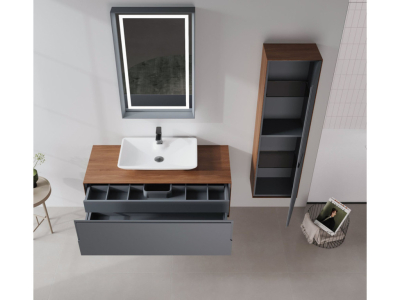
Washbasins and bathroom units: how should they be looked after?
Categories :
Care Advice
, Interior furniture
A central feature of the bathroom, the vanity unit combines storage, comfort and style. However, to keep it looking as good as new over the years, regular maintenance is essential. Limescale, white marks, damp, mould or blocked pipes can quickly affect the appearance and proper functioning of your bathroom fittings.
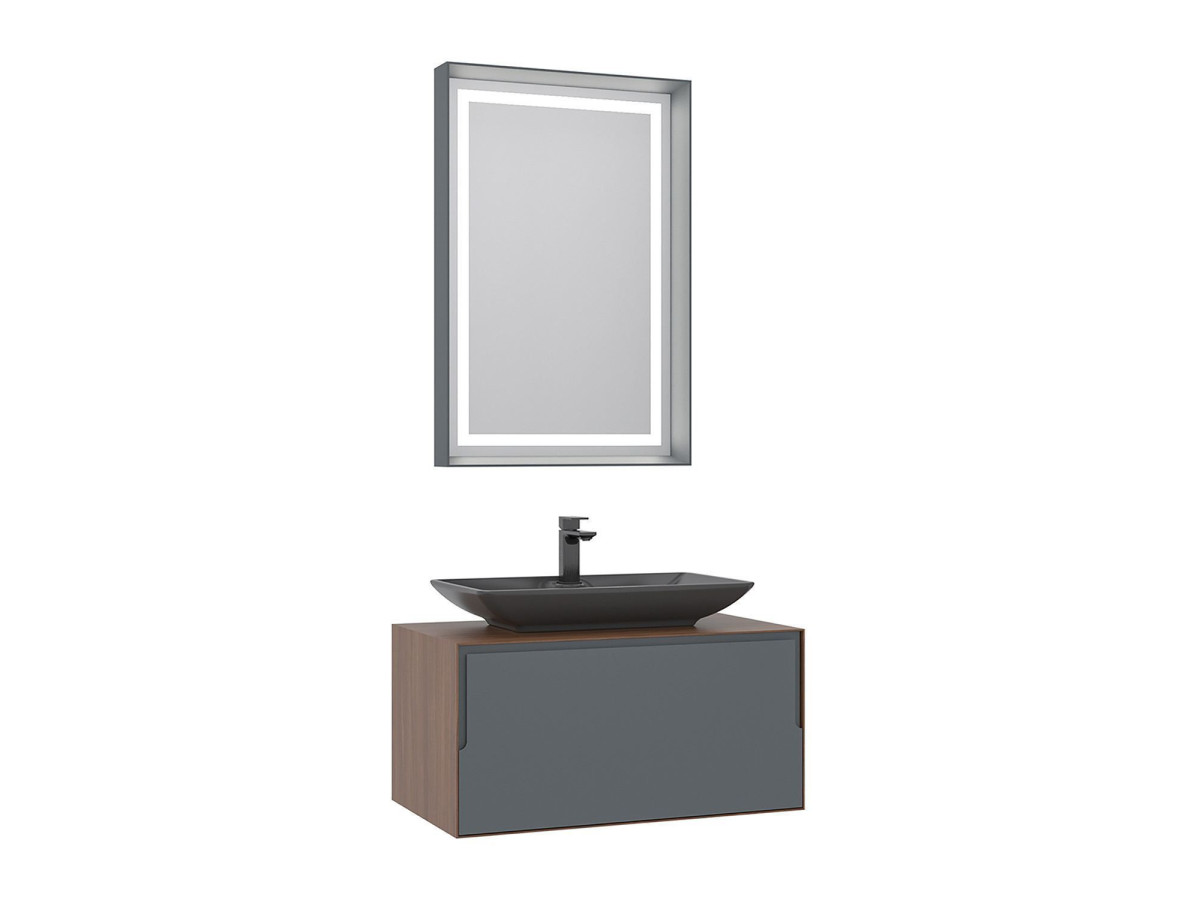
How can you prevent white marks on a black washbasin?
White marks are particularly noticeable on a black washbasin. They are usually caused by limescale in the water, but also by soap residue and water droplets that dry directly on the surface.
The first rule is simple: don’t let water dry on the washbasin. After use, quickly wipe the surface with a soft cloth or microfibre cloth to remove any droplets. This simple routine goes a long way towards preventing limescale build-up.
For daily cleaning:
- use lukewarm water
- if necessary, add a small amount of mild soap or a neutral cleaning product
- clean with a non-abrasive sponge
- rinse thoroughly
- dry with a microfibre cloth
Black washbasins require special care as even the slightest mineral deposit becomes immediately visible.
Please note: The product you use depends on the material of your washbasin. A washbasin made of ceramic, resin, stone or composite material may not react in the same way to cleaning products. Always check the manufacturer’s recommendations before using a limescale remover.
Which products should you avoid using on a washbasin?
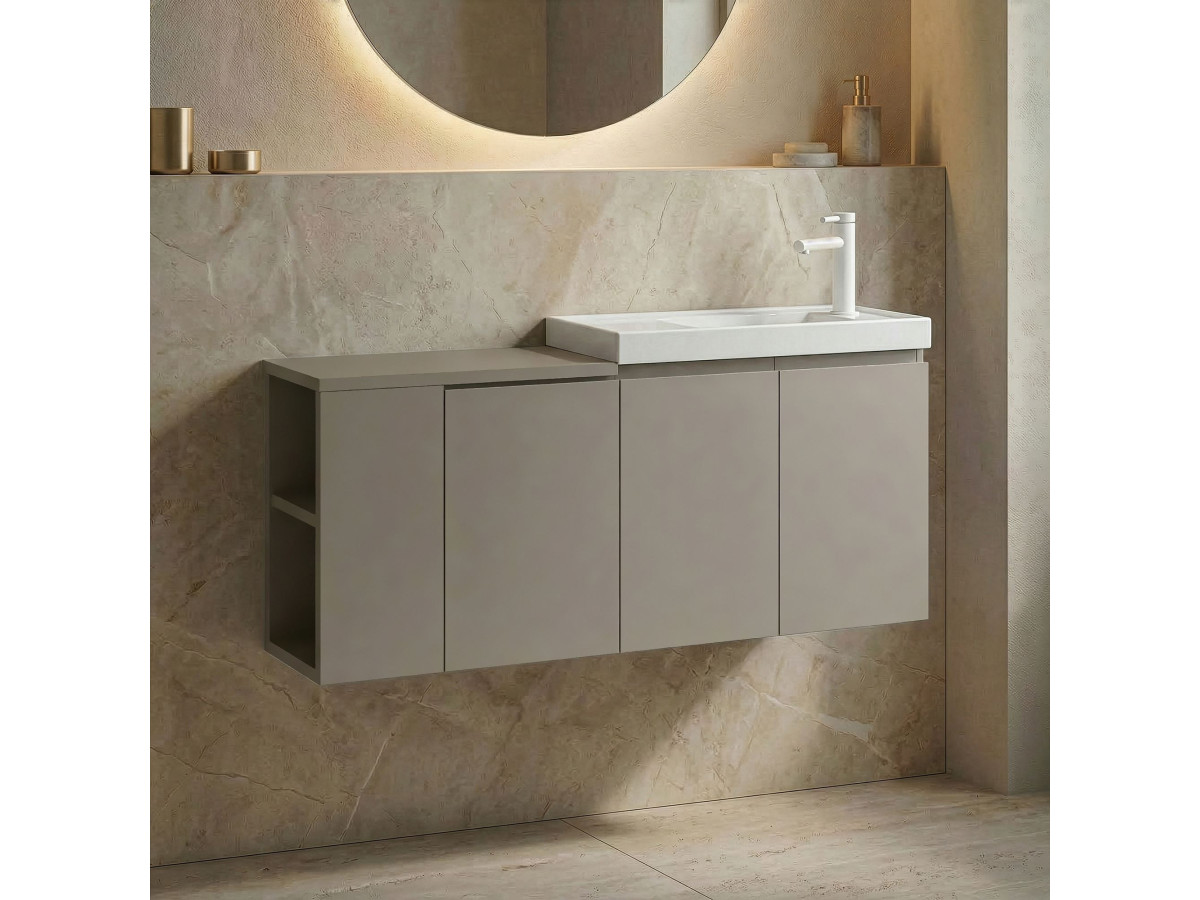
To preserve the appearance and finish of your washbasin, it is best to opt for gentle cleaning methods. In particular, avoid:
- scouring powders
- abrasive sponges
- steel wool
- highly acidic or strongly alkaline products
- solvents
- acetone
- products containing bleach where the manufacturer advises against their use
- drain unblockers applied directly to the surface
- steam cleaners where the material is not suitable for them
Abrasive products can cause micro-scratches, which then make the surface more prone to dirt. Certain chemicals can also damage a matt, gloss or coloured finish.
Tip: It’s better to clean regularly than to strip the finish. A quick clean several times a week is generally preferable to a thorough clean carried out only when dirt has become heavily ingrained. Also remember to clean the fronts and handles of the units with a slightly damp cloth, then dry the surfaces: standing water must be avoided, particularly on panels and at joints.
How can you prevent mould around a washbasin?
The bathroom is naturally exposed to damp. Without adequate ventilation, this damp can encourage the growth of mould, particularly around silicone seals, the tap, the washbasin top and in hard-to-reach areas. To minimise the risk of mould, adopt a few simple habits.
Ventilate regularly
After a shower or bath, leave the mechanical ventilation system running if your bathroom is fitted with one, and air the room whenever possible to quickly remove damp.
Avoid standing water
Wipe up splashes around the washbasin and on the vanity unit, paying particular attention to the areas behind the tap and around the drain.
Check the seals
Regularly inspect the seal between the washbasin and the wall. If it is discoloured, peeling or cracked, it may trap moisture: replacing it is then more effective than simply cleaning it.
Check for leaks
A small leak under the washbasin can go unnoticed for several weeks. Check the connections and the area under the vanity unit regularly.
How do you clean a washbasin trap properly?
The trap prevents unpleasant odours from the pipes from rising into the bathroom. However, it can gradually build up hair, soap scum and other deposits. Cleaning it regularly helps to minimise unpleasant odours and drainage problems.
Cleaning a trap in a few steps
Place a container under the trap
Place a basin or bucket underneath to catch any water that may drain out.
Dismantle the trap
Depending on the model installed, carefully unscrew the lower section or the fittings provided for this purpose.
Remove any build-up
Remove any hair, soap scum and other accumulated dirt.
Rinse the parts
Clean the various parts with lukewarm water and check that no deposits are blocking the flow.
Reassemble carefully
Refit the seals correctly and tighten the connections without using excessive force.
Check for leaks
Run some water and check that there are no leaks under the washbasin.
Preventative maintenance is better than a blocked drain If the water is draining more slowly or an unpleasant smell develops, don’t wait until the pipe is completely blocked before taking action. Also avoid pouring a harsh drain unblocker directly onto the basin or the surfaces of the vanity unit: some materials may be sensitive to highly corrosive chemicals.
How can you extend the life of your vanity unit?
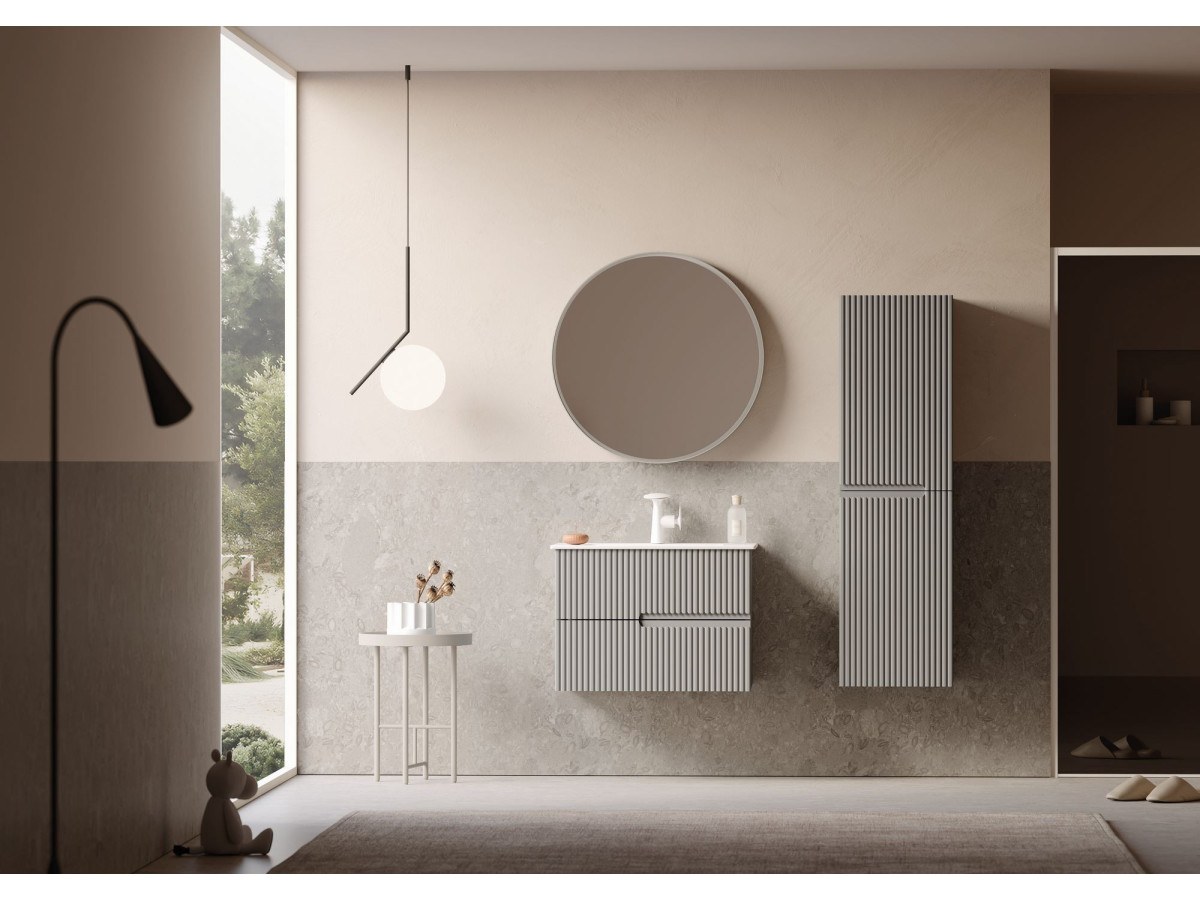
A bathroom vanity unit is exposed to water, damp and toiletries on a daily basis. However, a few good habits can go a long way towards keeping it looking its best.
Wipe up water straight away
Although bathroom units are designed to withstand the room’s damp environment, standing water should be avoided. After cleaning or if splashes occur, dry the surfaces quickly.
Use a soft cloth
For fronts, drawers and vanity tops, opt for a microfibre cloth or a soft, slightly damp cloth. Avoid abrasive sponges, which can cause scratches or damage the finish.
Do not use your bathroom furniture to store harsh chemicals
Household cleaning products, hair dyes, solvents or other potentially corrosive substances must not remain in prolonged contact with the surfaces. Any accidental splashes must be wiped up immediately.
Ventilate the bathroom
Good ventilation helps to limit the furniture’s constant exposure to a very humid atmosphere. Manufacturers particularly recommend wiping up any standing water and ensuring adequate ventilation.
Also look after the less visible parts
Remember to clean the following regularly: the insides of drawers, handles, the legs of the unit, the spaces around the plumbing, the area under the washbasin, as well as the connections and the trap. These areas are often overlooked, yet they can accumulate dust, damp and residue.
Which vanity unit should you choose to make maintenance easier?
Maintenance can also be taken into account when purchasing your bathroom unit. A wall-mounted vanity unit, for example, makes it easier to clean the floor and creates a sense of extra space. Unit with drawers, on the other hand, allow you to store toiletries easily whilst keeping your bathroom tidy.
The size should also be suited to the room and the number of users: a vanity unit measuring 60 to 80 cm is generally suitable for small bathrooms, whilst models measuring 100 to 120 cm offer greater comfort. For family use, a double washbasin can be particularly practical.
Discover our selection of bathroom vanity unitsThe ideal maintenance routine for your washbasin
To keep your bathroom clean and pleasant on a daily basis, follow this simple routine:
Every day
- Wipe away any splashes
- Dry the washbasin
- Quickly wipe away soap scum
Every week
- Clean the basin with a product suitable for its material
- Clean the cabinet fronts and handles
- Check the seals
- Check for leaks
Regularly
- Clean the trap
- Check the drains
- Inspect areas hidden beneath the unit
- Check the condition of the silicone seals
In summary
Maintaining a bathroom washbasin doesn’t take much time, but it does require regular attention. To avoid white marks on a black washbasin, drying it after use remains one of the simplest habits to adopt. To protect the surfaces, opt for mild, non-abrasive cleaning products.
Finally, good ventilation, keeping an eye on the seals and periodically cleaning the trap all help to keep your bathroom hygienic and your washbasin unit in good condition for longer. With the right care, your washbasin unit will retain its attractive appearance and remain fully functional day in, day out.
Fancy updating your washbasin unit?
Discover our selection of bathroom vanity units at Habitat et Jardin and choose the model that suits your space, your needs and your style.
View vanity units