Your cart
There are no more items in your cart
Wooden or ceramic coffee tables – Buying guide
Categories :
Interior furniture
, Practical Guides
, Tables
When choosing a ceramic and wood coffee table, you need to weigh up the material, the size and how it will actually be used in the living room.
Ceramic and wood coffee tables: materials, styles and tips
The combination of wood and ceramic has become a permanent fixture in contemporary living rooms. It brings together a ceramic top designed for everyday use and a frame that feels warmer than an all-metal or glass base, creating a look that is both sturdy and natural.
Why choose ceramic and wood coffee tables?
A ceramic and wood coffee table is well suited to frequent use. The difference often lies in the balance between durability and visual appeal: ceramic offers a visual appeal that cold materials such as glass lack, whilst wood brings an immediate sense of warmth.
- Everyday durability: the ceramic surface can support up to 60 kg per section, even with heavy family use.
- Easy to care for: a damp cloth is all you need to clean the tabletop; no special treatment is required.
- Versatile style: whether travertine or white marbled, the finishes blend just as well with a Scandinavian interior as they do with a more contemporary setting.
Habitat et Jardin offers a two-year manufacturer’s warranty against manufacturing defects. For models made from solid oak combined with high-quality ceramic, the expected lifespan is at least ten years.
Which tabletop should you choose for your ceramic coffee tables?
The right choice depends on the thickness of the tabletop and the look you’re aiming for in the room. A thickness of 3 cm is well suited to a modern coffee table with a light, airy design, whilst a 5 cm tabletop will be more suitable if the piece is expected to withstand more intensive use.
Ceramic coffee tables can be categorised into two decorative styles. Travertine, with its shades of beige and ochre, complements soft, natural interiors. Conversely, white marble-effect ceramic creates a sharper contrast, often sought after in a minimalist setting.
| Finish | Available thicknesses | Recommended style | Load capacity |
| Travertine look | 3 cm | Rustic, Scandinavian, natural | 60 kg per area |
| White marbled | 5 cm | Contemporary, minimalist | 60 kg per zone |
Coffee tables and round coffee tables: what sizes and shapes?

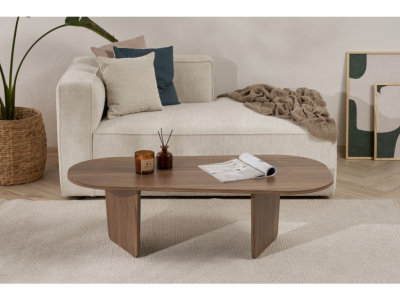
Depending on the layout of your space, the shape affects both how easily you can move around and the overall look of the living room. An oval coffee table measuring 120 × 60 × 46 cm, such as the Portofino model, creates a smoother flow around the sofa, whilst a rectangular coffee table makes better use of a long, narrow living room. In a more compact space, a round coffee table, a round ceramic coffee table or a square coffee table can help create a more fluid feel without making the room feel cluttered.
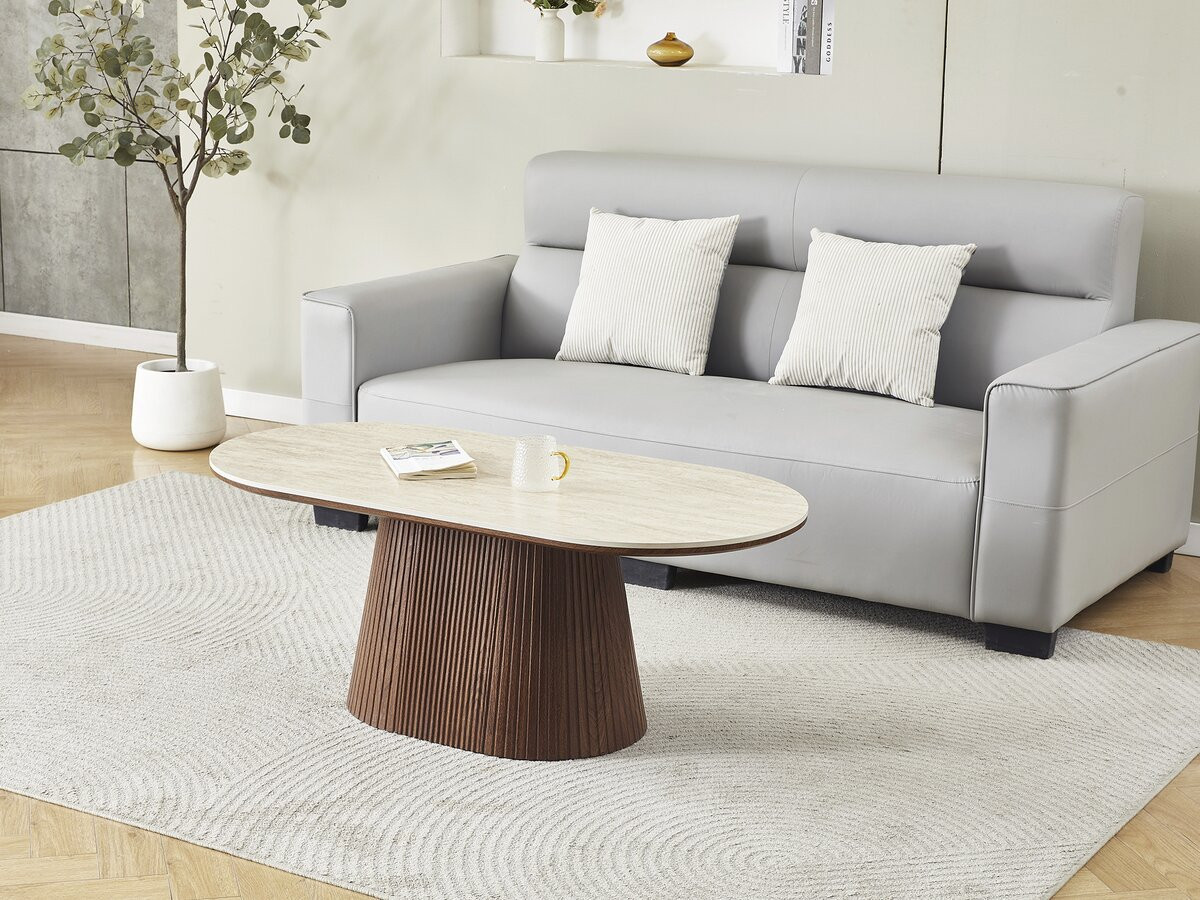
Habitat et Jardin offers, for example, an oval ceramic coffee table suitable for medium-sized living rooms. In a more spacious room, a 200 × 100 × 75 cm table can also double as a dining table, such as this ceramic-and-wood table designed to seat eight people.
Care and durability of wooden and ceramic coffee tables
Once in place, this type of furniture requires little attention. Ceramic is non-porous: it repels everyday stains and can be cleaned with a soft, slightly damp cloth, whether it’s a small side table or a larger model.
As for the frame, a factory-applied varnish protects the wood for long-lasting indoor use. A solid wood coffee table, including those made of oak, will therefore retain its colour and condition without requiring extensive maintenance.
Techniques combining wood and ceramic have been documented since the 19th century, as demonstrated by this ceramic coffee table held at the Musée Condé in Chantilly.
Frequently Asked Questions
What are the advantages of a ceramic and wood coffee table compared to other materials?
Coffee tables combining ceramic and wood bring together two complementary qualities. The ceramic top is more resistant to scratches, heat and minor knocks than glass or laminate, whilst remaining easy to look after: it lasts another season without requiring major maintenance, whereas other surfaces show signs of wear more quickly. In terms of the frame, wood lends a warm feel and stands the test of time, whilst metal often gives a colder look depending on the interior.
The difference often lies in the balance between everyday practicality and style. In the range of coffee tables offered by Habitat et Jardin, for example, you’ll find a brown wooden base, grooved legs and a thick tabletop, with a load-bearing capacity of up to 60 kg per section. Well-designed models can last in a living room for at least ten years without showing signs of wear or deterioration.
What shape of coffee table should I choose for my living room: oval, round or rectangular?
The right choice depends on how people move around the room and the available space. A round coffee table – whether made of wood or ceramic – is well suited to compact rooms or square-shaped living rooms, as it softens the angles and keeps passageways clear. Conversely, a rectangular coffee table offers a more generous surface area for everyday use.
Depending on the layout of your space, an oval shape can also strike a good balance between visual appeal and practical length. A designer coffee table of this type fits easily into an elongated living room, whilst a square coffee table is best suited to a more centrally arranged layout. Furthermore, a swivelling or double-top version allows you to adapt the table to different times of the day.
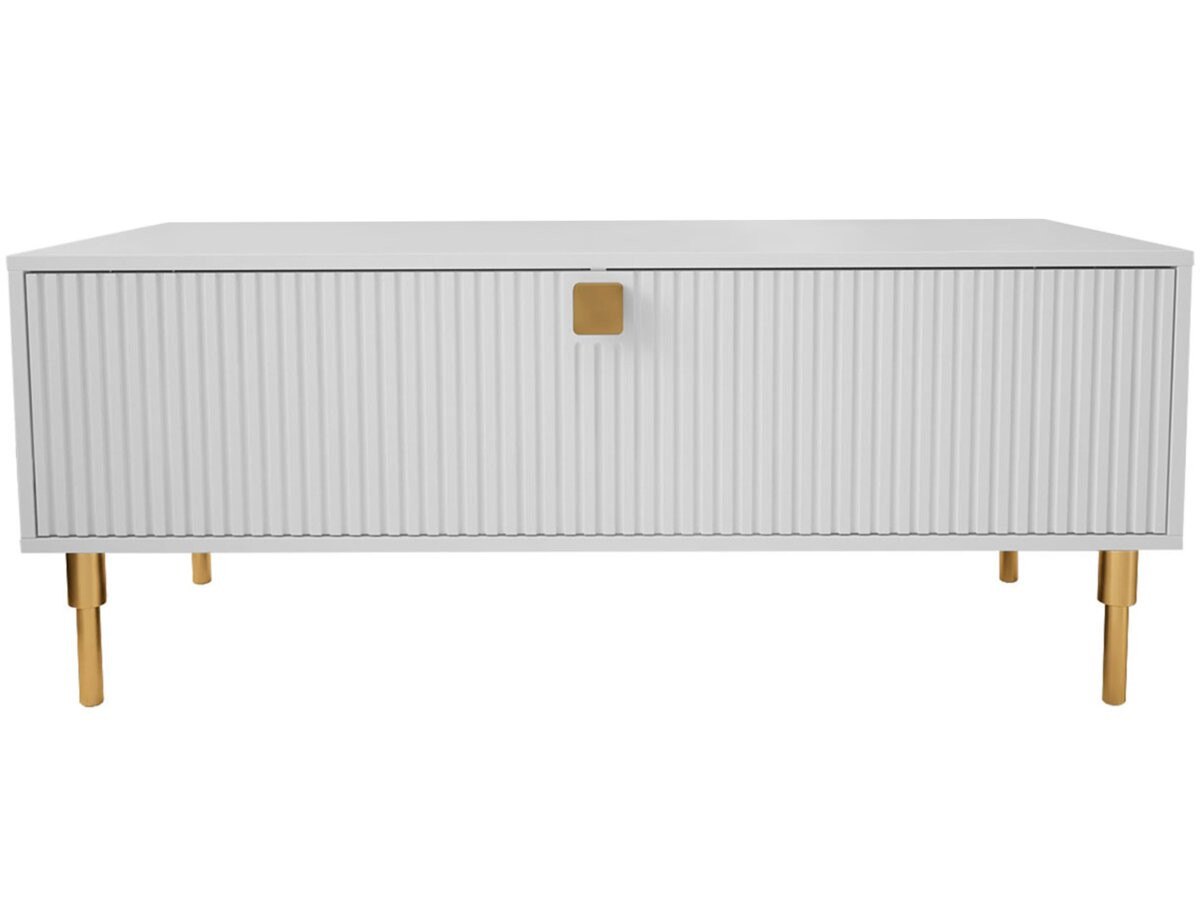
How can you maximise storage space with a ceramic and wood coffee table?
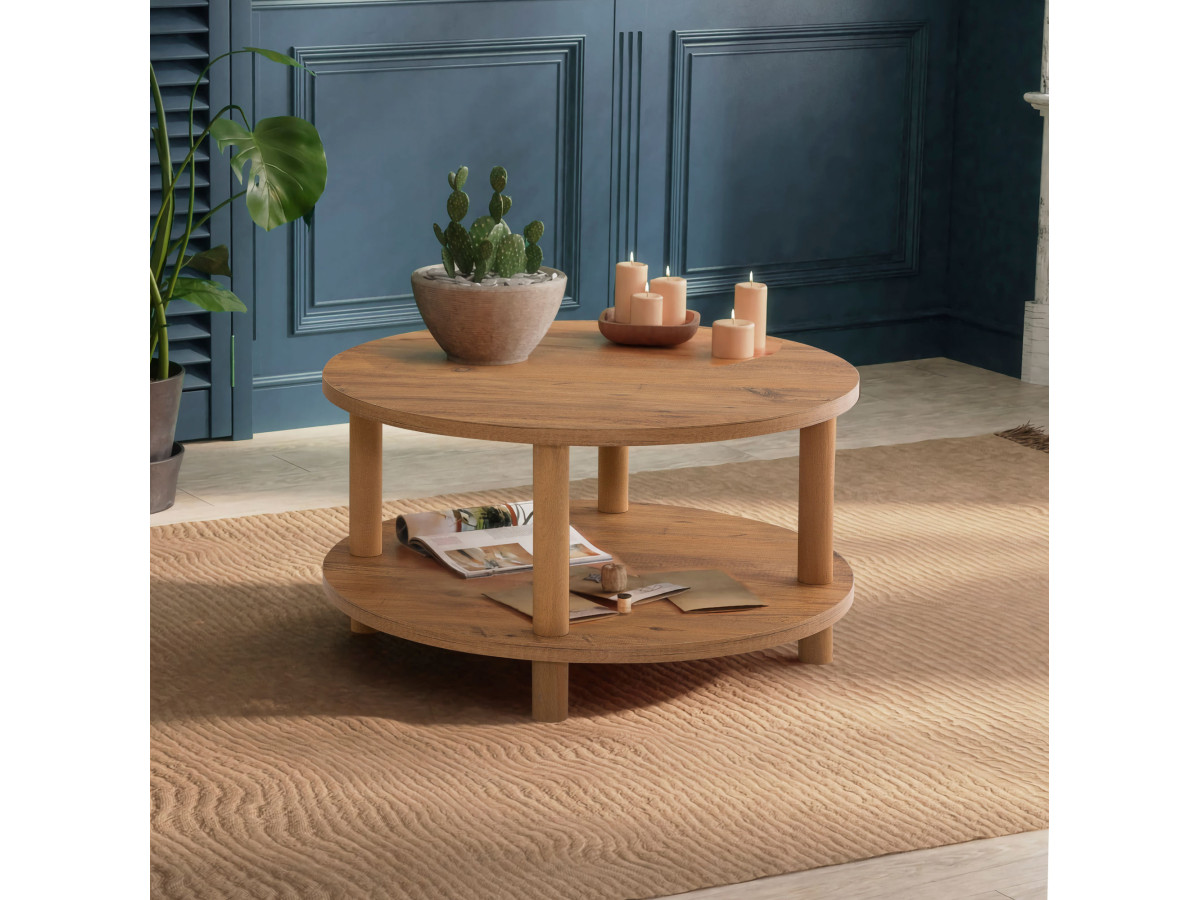
To gain extra storage without making the space feel cluttered, the simplest solution is a coffee table with built-in storage designed specifically for this purpose. A shelf beneath the main top easily accommodates books, remote controls or baskets, whilst keeping the top clear. Indoors, this storage approach makes perfect sense: everyday items such as remote controls, books and baskets tend to accumulate more quickly than they do outdoors.
A double-tier coffee table takes this a step further, with a lower tier—often made of wood—beneath an upper tier of stone or ceramic. This double-tier design works particularly well with a rectangular or square shape, which is easier to organise than a round model. As mentioned when discussing the choice of frame, the combination of wood and ceramic remains a practical choice here: accessible storage, a stable surface and easy day-to-day maintenance.