Your cart
There are no more items in your cart
Sofas – Buying Guide
Categories :
Interior furniture
, Practical Guides
, Sofas
The living room is the heart of the home. Now more than ever, getting together with family or friends plays an important part in our culture and daily lives. As the true centrepiece of the living room, the sofa is a feature of every home! Both a practical item and a decorative feature in its own right, the sofa is, above all, a special place to relax. We spend many hours on it: sitting, lying down, reading, resting, entertaining guests or even watching telly… As you’ll have realised, buying a sofa is a major decision that requires careful thought and consideration, especially as it’s quite an expensive purchase. Stylish, inviting, comfortable and durable, the sofa must meet all your expectations. With the Habitat et Jardin sofa buying guide, find all the information you need to choose the right sofa and give your living room a fresh new look!
The size of your sofa
Before choosing a sofa, it’s best to make sure there’s enough space for it in your living room! Do you live in a studio flat, a loft, a house or a villa? Naturally, the size and layout of your living room will determine whether you opt for an armchair, a small sofa bed or a 10-seater corner sofa. In any case, make sure you take all the necessary measurements and allow for the space needed for other furniture (coffee table, TV stand) so that your sofa doesn’t take up all the room or block the way.
Decide how you’ll use your sofa
How do you intend to use your sofa? Depending on whether the sofa will be used occasionally or also to serve as a spare bed, your choice will differ. Do you often have friends round? Do you have children? Do you enjoy reading or watching television? If your living space is limited and you want your sofa to serve a dual purpose, it’s best to opt for convertible sofas such as BZ sofas or clic-clac sofas. In this case, bear in mind that the furniture will wear out much more quickly, so be sure to choose materials that are hard-wearing, durable and stain-resistant. If, for you, the sofa serves a primarily decorative purpose and you use it mainly for entertaining, opt for fixed sofa models or contemporary armchairs. If you’re looking for a space that’s both cosy and comfortable, perfect for relaxing or entertaining, then a corner or U-shaped sofa, featuring chaise longues, is just the thing for you! Here’s an overview of the different categories of sofas and armchairs you’ll find at Habitat et Jardin:
Corner sofa:
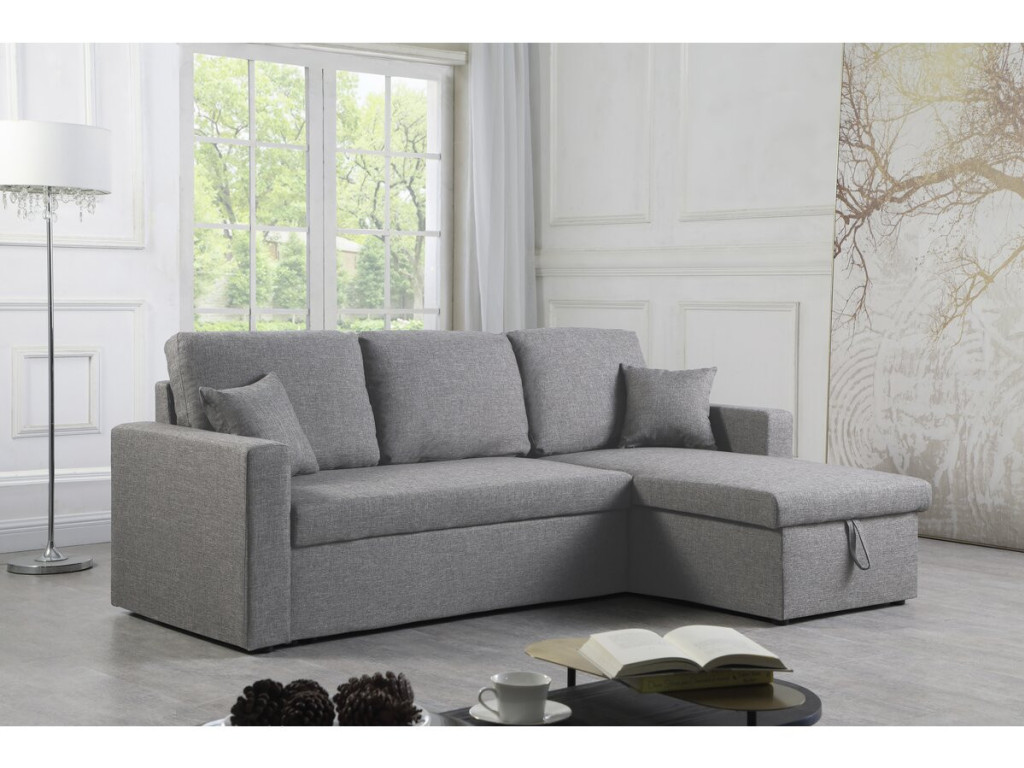
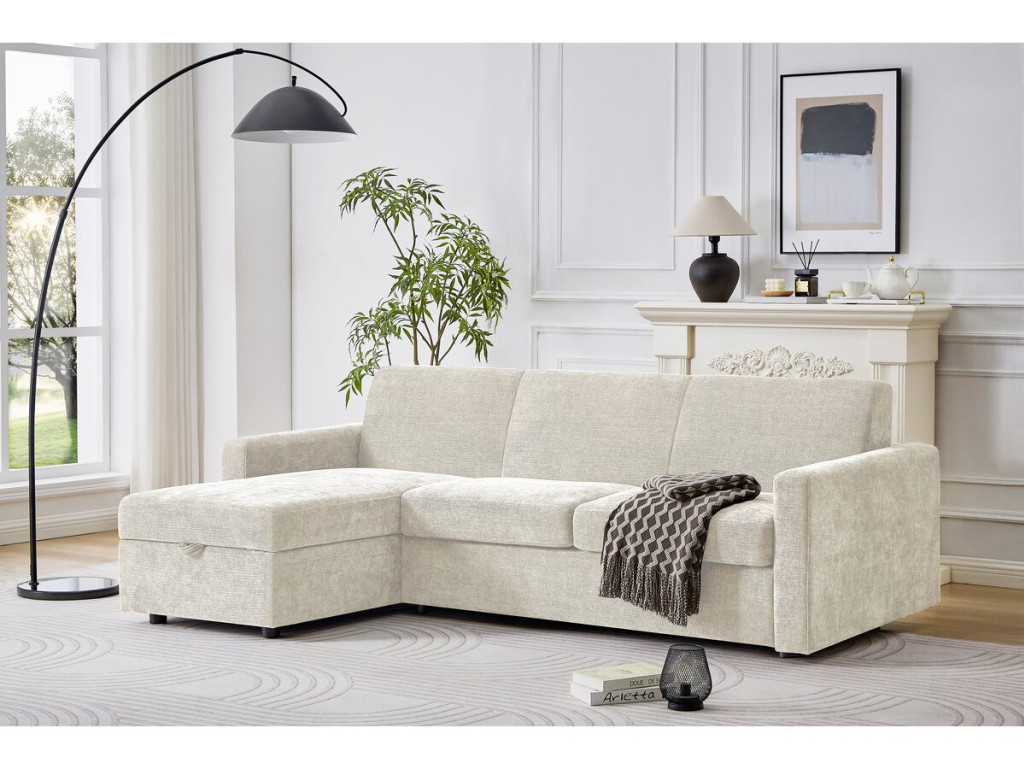
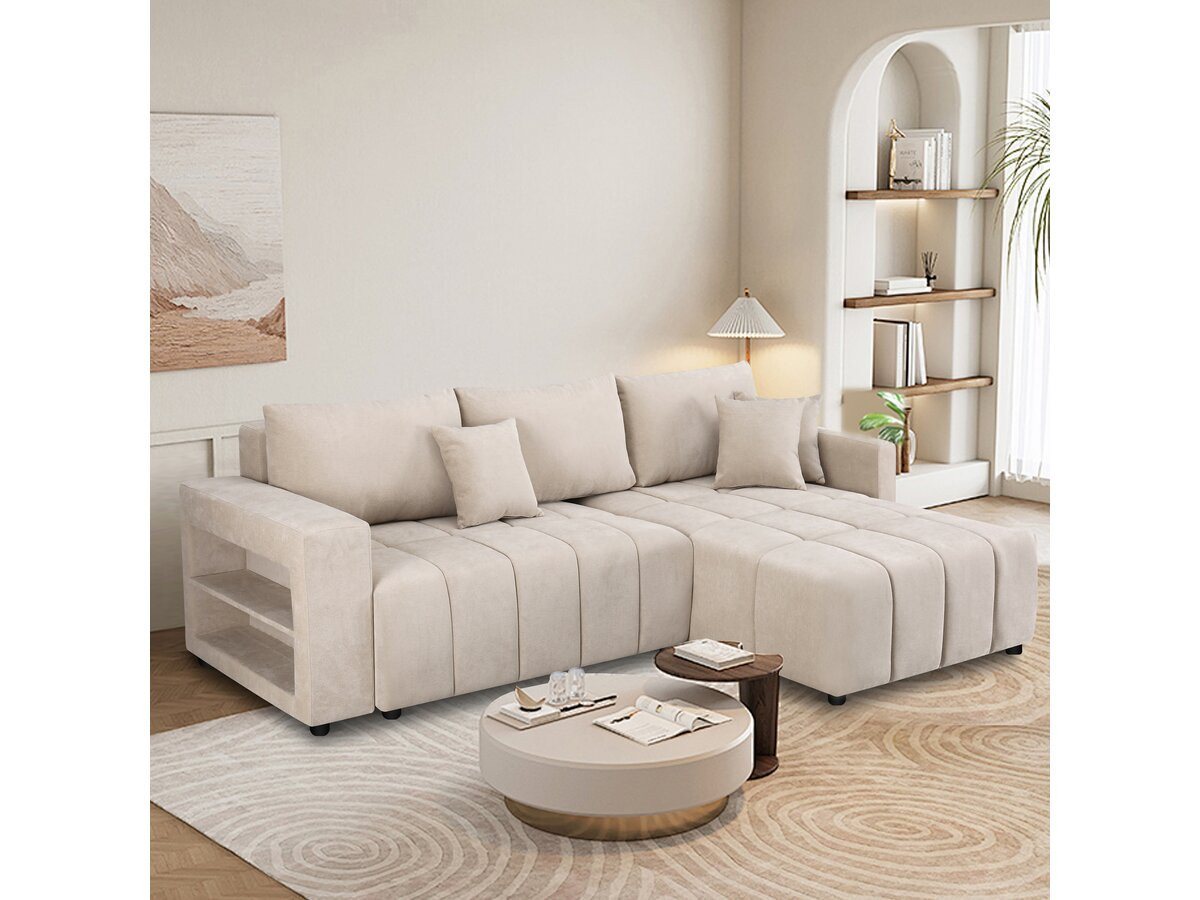
If you don’t need an extra sleeping space, your living room is spacious and you’re looking for comfort, you could opt for a corner sofa. What are its advantages? As well as looking stylish, its shape allows you to make the most of an unused corner of the room. A corner sofa can also be used to divide a room in two, for example between the living area and the dining area. Often modular, corner sofas allow for multiple configurations thanks to chaise longues or ottomans: this means you can position the corner on whichever side you prefer… Discover our full range of corner sofas: fabric corner sofas, leather corner sofas
Fixed sofa:
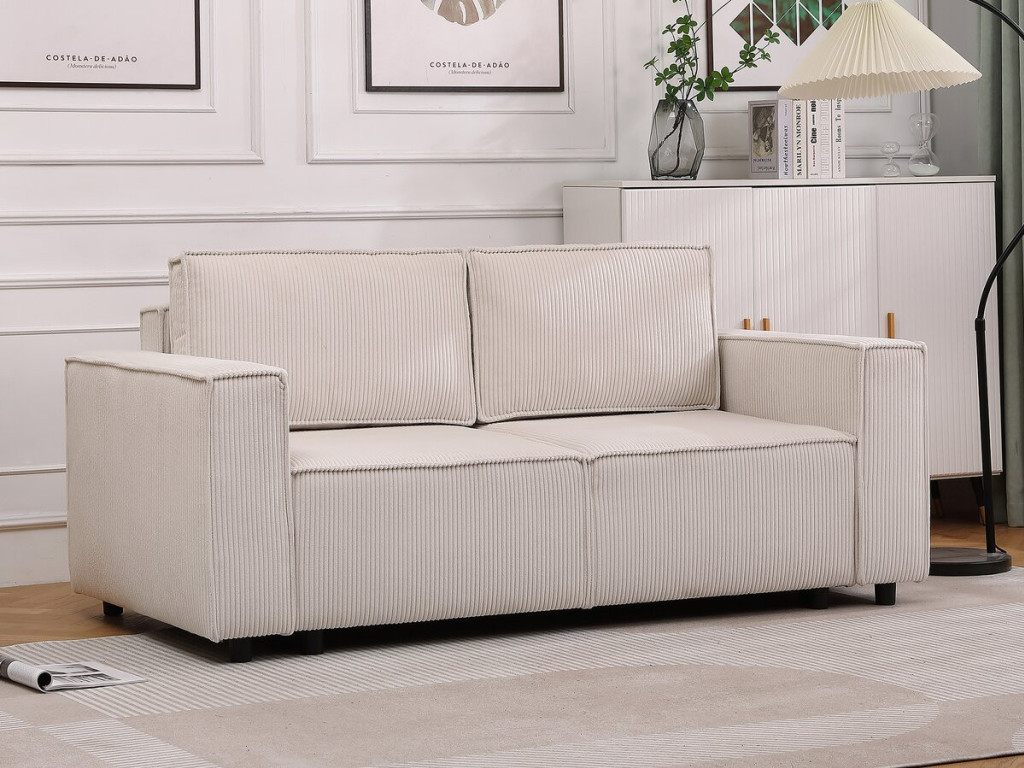
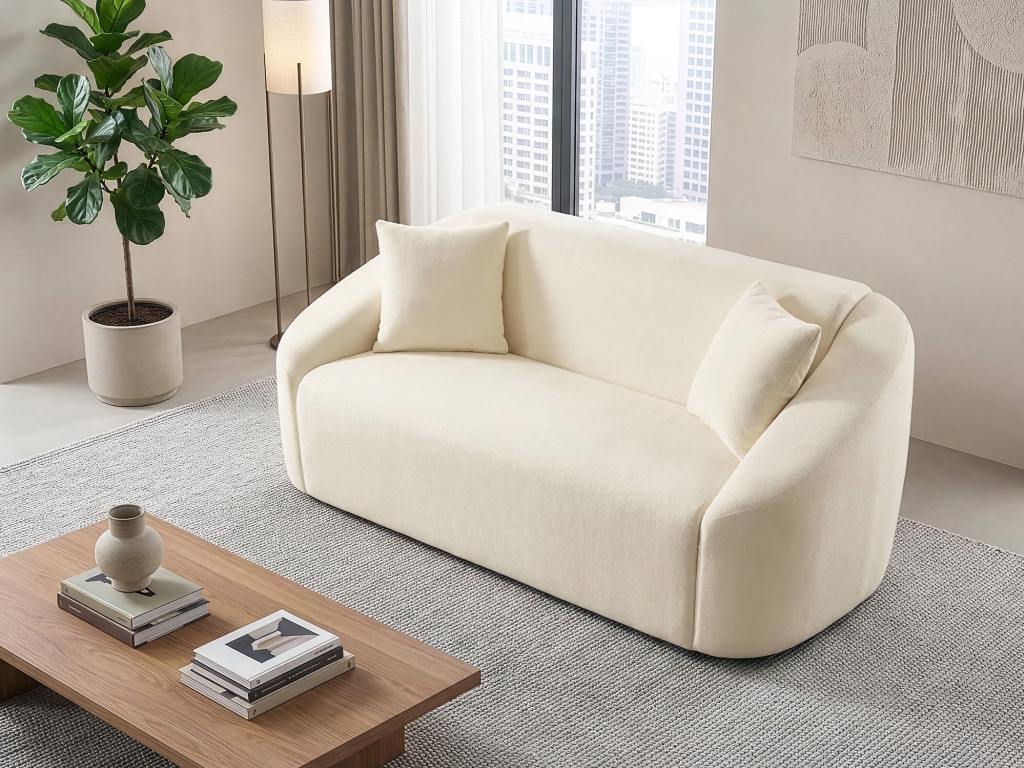
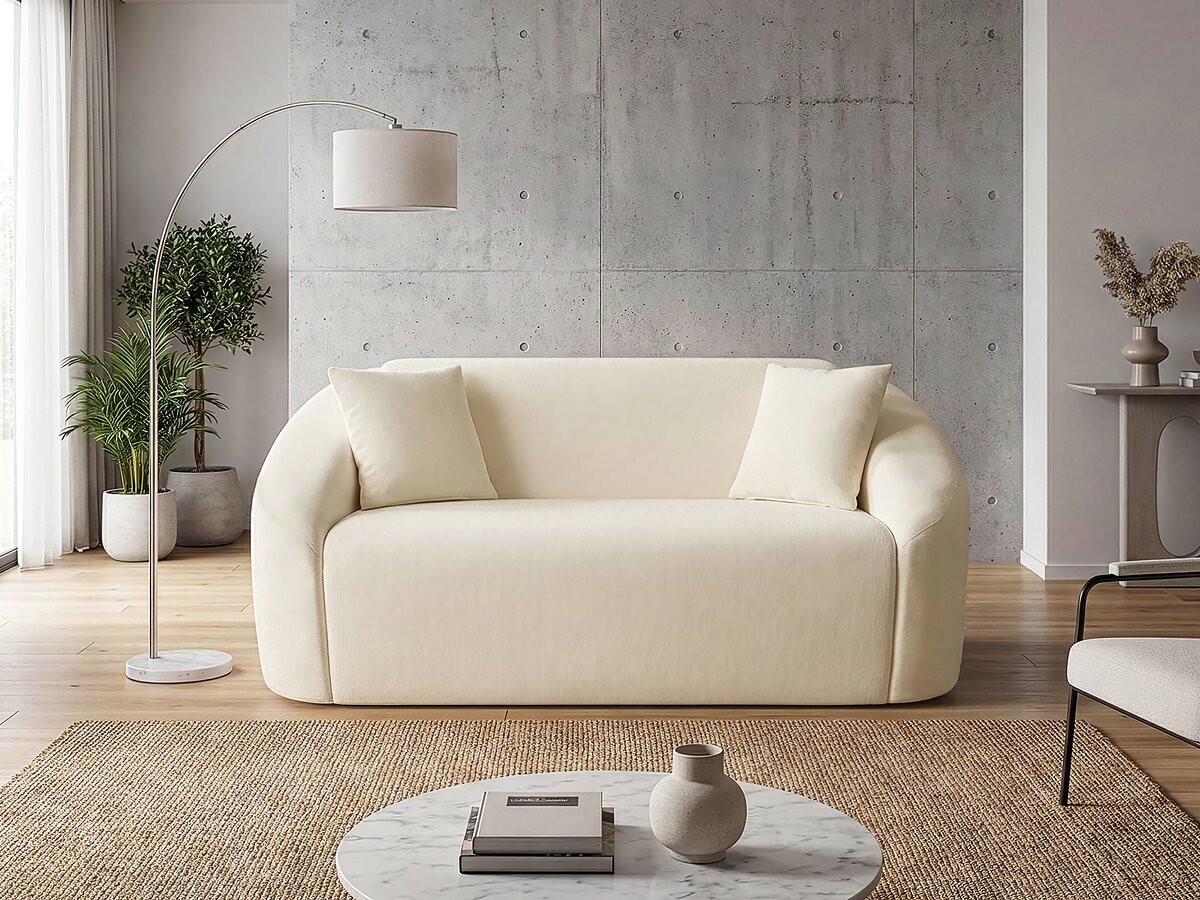
This is the quintessential ‘classic’ sofa, the one most commonly found in homes. Here too, a fixed sofa is ideal if you don’t see the need for extra sleeping space. Bear in mind, however, that fixed sofas are often available in a convertible version, which is more expensive. See our full range of fixed sofas: fixed fabric sofas, fixed leather sofas
Convertible sofa:
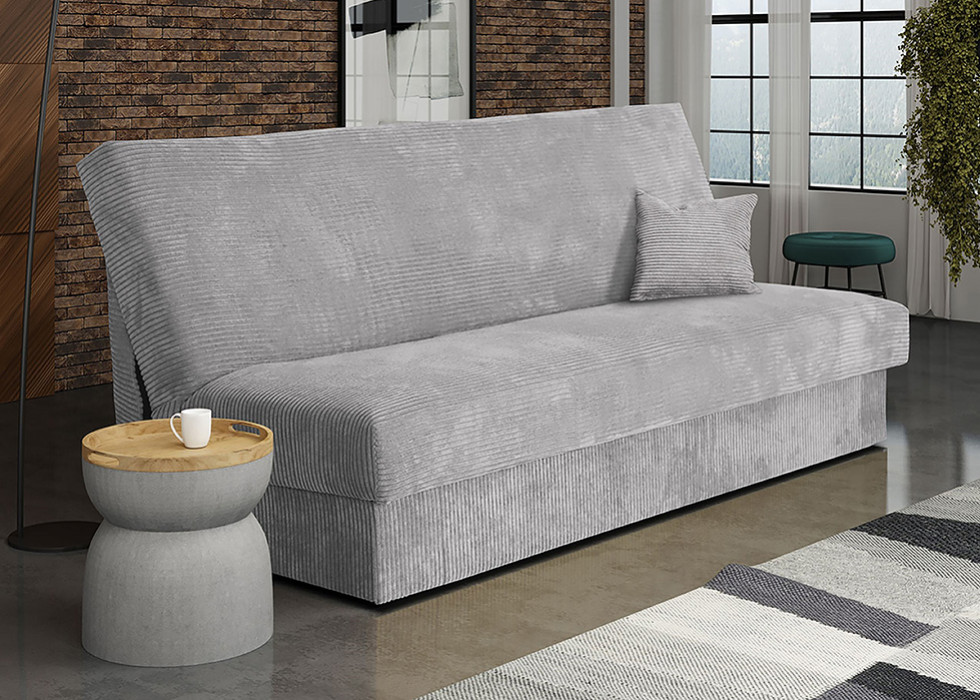
If you often have guests or want to make the most of your living space without ‘compromising’ your décor, the convertible sofa is for you. The convertible sofa combines style and elegance whilst providing an extra bed. Unlike a fold-out sofa or a ‘bz’, its design is often more refined. One drawback, however, is that the mattress used in convertible sofas is intended for occasional use only, as regular use may damage it. Only top-of-the-range models offer a much higher quality sleeping surface and are suitable for more regular use. See our full range of convertible sofas
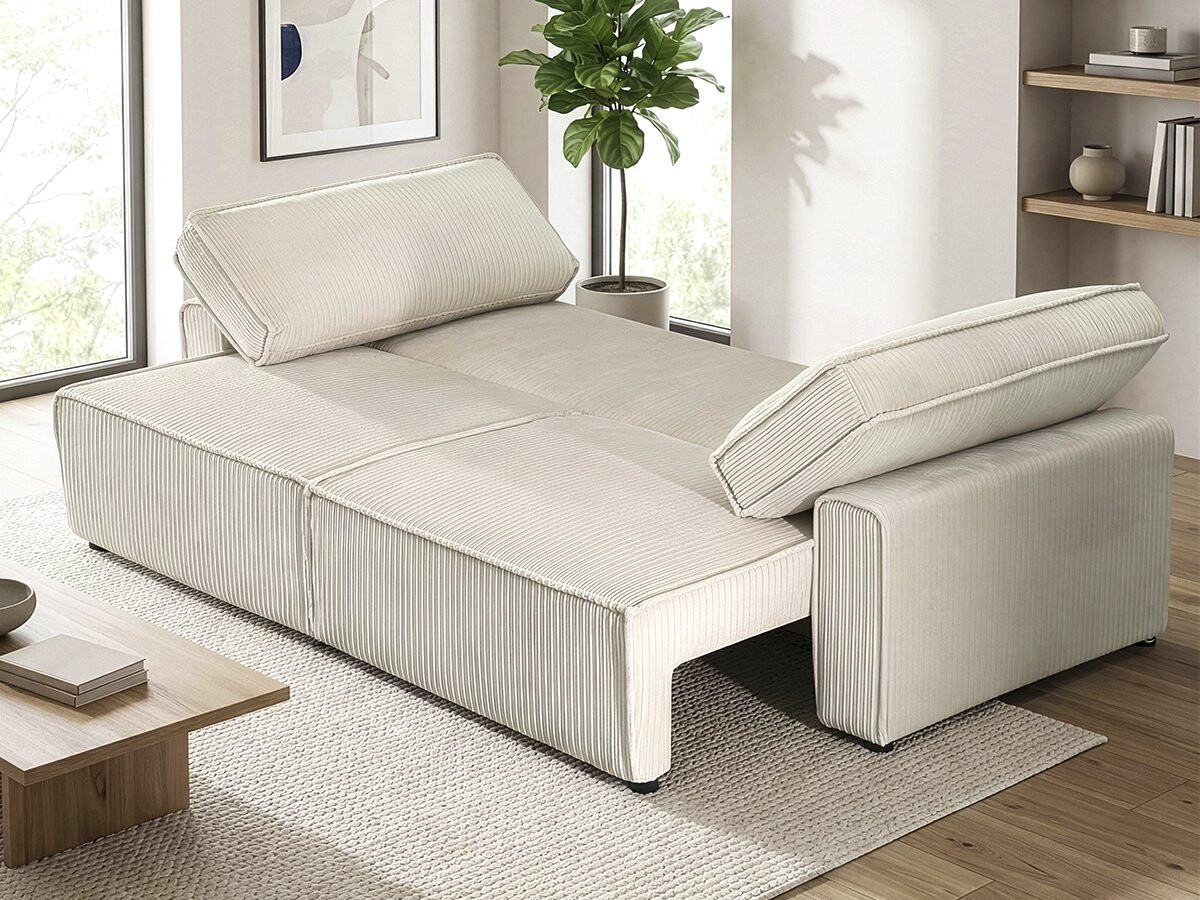
Fold-out sofa:
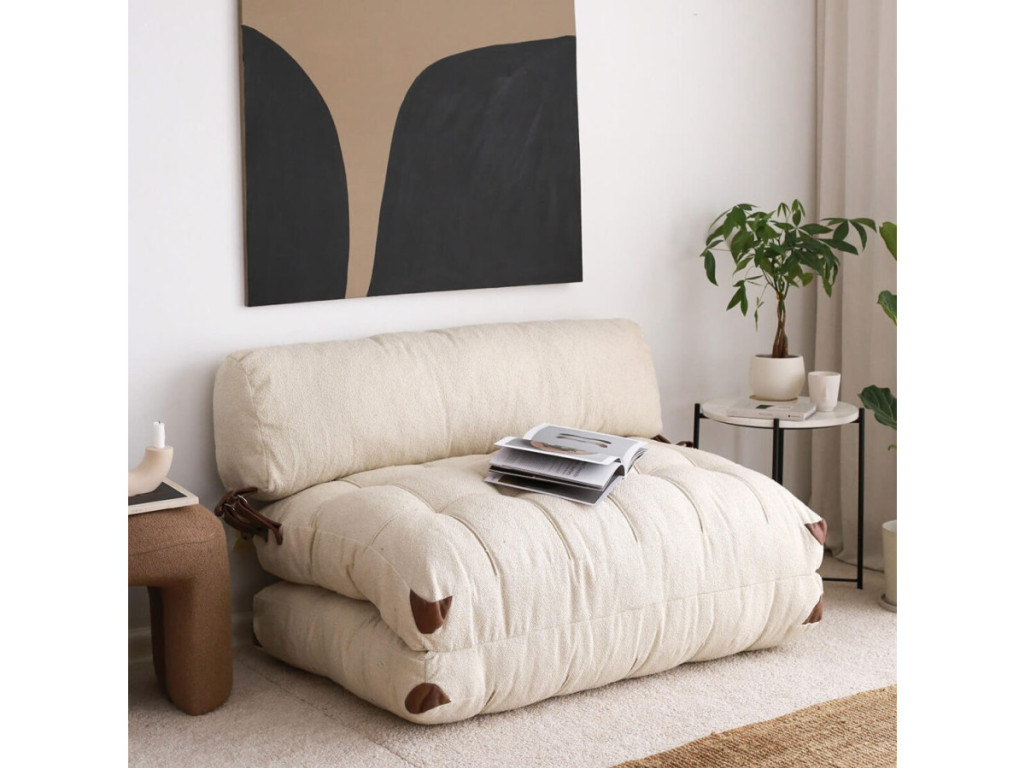
The click-clack sofa is a sofa-bench which, in the blink of an eye – or rather with a ‘click’ and a ‘clack’ – transforms into an extra bed. Simply lift the seat and then lower both sides, parallel to the wall. In sofa mode, it offers more space than the BZ sofa. See all our click-clack sofas
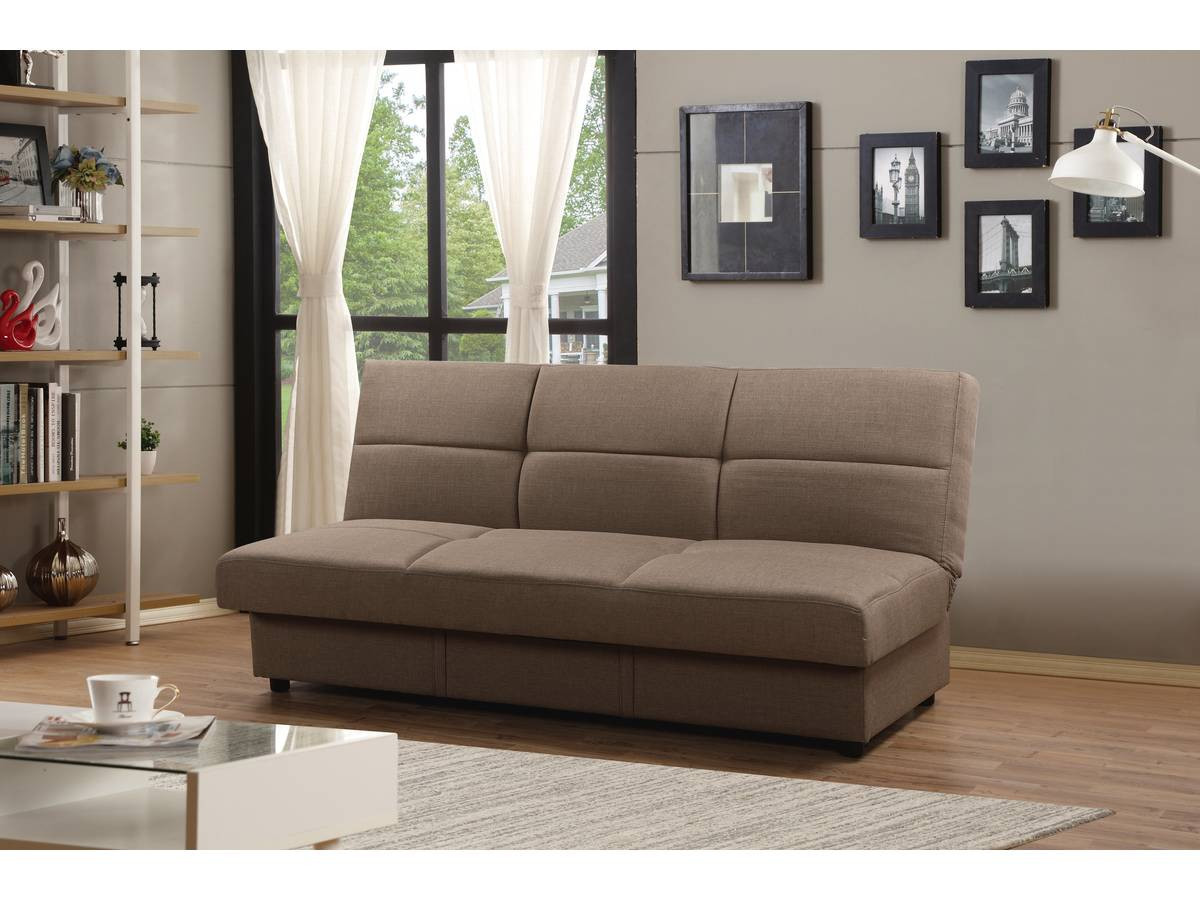
The BZ sofa:
The BZ sofa serves the same purpose as the click-clack sofa, but is smaller than the latter and is particularly suited to small spaces. Its three sections fold out in an accordion-style ‘Z’ shape to create a sleeping surface perpendicular to the wall. See our full range of BZ sofas
Choosing the upholstery
The choice of upholstery for your sofa depends directly on your lifestyle. Do you have young children? Pets? How often do you have guests? For example, certain materials such as leather are not recommended if you have pets… whereas modern fabrics or cotton are more resistant to damage caused by them! In any case, always opt for removable covers, which will make cleaning your sofa easier.
Leather:
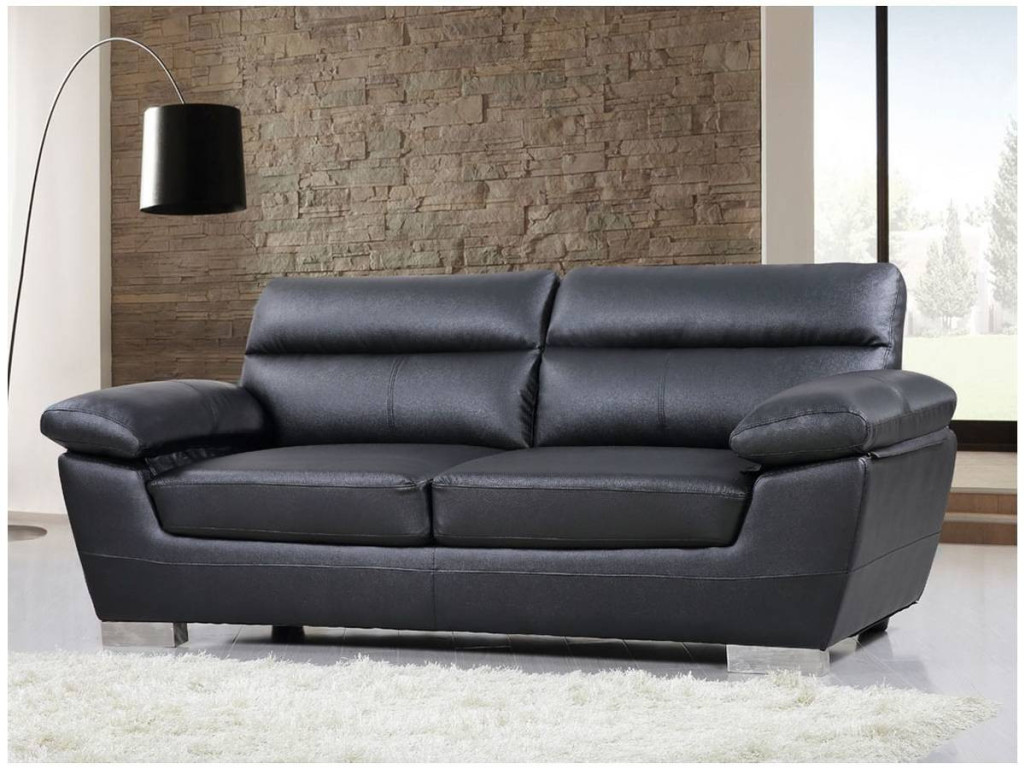
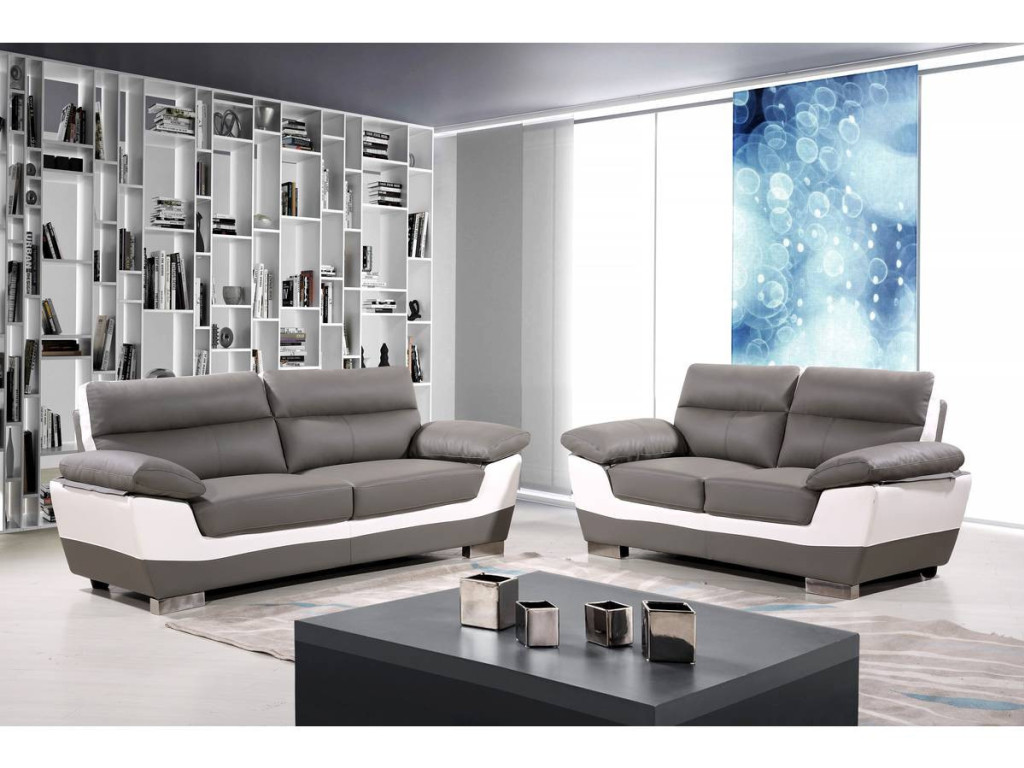
Leather is the ultimate luxury material! Natural and durable, it develops a patina and becomes more beautiful with age. However, leather is a material that does not cope well with rough treatment from pets, particularly cats. Leather sofas available on the market are generally made from genuine buffalo or cowhide leather, with a corrected and pigmented grain. The pigmented finish ensures the leather’s colour is uniform and provides good resistance to ageing, light and stains. A leather sofa requires maintenance over the years; remember to apply leather conditioner to nourish the leather. Its drawbacks? Leather is a cold material, offering little warmth in winter and feeling sticky in summer. It is often expensive and therefore difficult to fit into a tight budget… See our full range of leather sofas
Split leather:
Split leather, which is coarser and less attractive than full-grain leather, is sometimes used for the hidden parts of a sofa or for entry-level leather sofas.
100% cotton or cotton-polyester fabrics:
Fabrics come in a wide variety of colours and patterns to suit all types of interior. Fabric sofas are less expensive than leather sofas. On some sofa models, the fabric is treated with a stain-resistant finish to make cleaning easier: this prevents stains from penetrating the fabric, meaning they can be removed simply by dabbing with an absorbent cloth. Discover all our fabric sofas
Polyester microfibre:
Synthetic fibres are materials that have been specially developed to withstand wear and tear and resist stains. Polyester microfibre is increasingly at the forefront of current trends. This material, which looks remarkably like suede, is soft, supple and velvety thanks to very fine synthetic fibres that are resistant to wear and tear and fading. Cleaning is easy, as all you need is a soft cloth and lukewarm soapy water.
PVC:
This is a synthetic material, polyvinyl chloride, which is flexible. Often criticised for its lack of aesthetic appeal, PVC is nonetheless the ideal material for keeping your sofa clean: a quick wipe with a sponge is all it takes to remove stains and other marks!
One final tip:
if you have children or pets, avoid white or light-coloured sofa upholstery, as these tend to get dirty very quickly. Opt instead for darker colours, such as chocolate brown, which has been very much in vogue in recent seasons!
The structure and composition of your sofa:
a guarantee of comfort and durability. Before choosing your sofa, it’s worth checking the different materials it’s made from to assess its quality. This quality will have a significant impact on the comfort of the seat and the longevity of your sofa.
The sofa’s frame:
All sorts of wood are used, but beech and plywood remain the most robust materials for a sofa’s frame.
The sofa’s suspension:
There are three types of suspension:
Coil springs
These ensure good resilience and a fairly firm level of comfort
Webbing
Which provide greater flexibility if they are long and criss-crossed
Wooden slats,
These are best if your sofa is regularly used as a guest bed, as they are sturdy and comfortable.
The sofa cushions:
the higher the density of the cushion filling, the more comfortable they will be. This is important because it is the cushions that ensure seating comfort. A density of 25 kg/m³ or more will ensure a comfortable seat. You should also check the resilience of the foam – that is, its ability to return to its original shape once you get up from the sofa.
Dimensions
What you need to know for optimal seating comfort When discussing the size of a sofa, three dimensions are usually given: Width x Depth x Height Please note! Make sure you check exactly which dimensions are being referred to, as these can refer to two different things: The ‘overall’ dimensions, i.e. the sofa’s volume.
The ‘seat’ dimensions
That is, the dimensions of the seating area on the sofa. The seat depth is usually between 50 and 60 cm; if this measurement is too great, it will be less comfortable to lean back. There are two heights to consider: the seat height, which varies between 45 and 60 cm, and the backrest height, which also varies between 45 and 60 cm. The width naturally depends on the number of seats: Allow between 70 and 80 cm per seat. The more seats there are, the narrower each seat becomes: you should allow between 5 and 10 cm less per additional seat on the same sofa model. From contemporary armchairs to sofa beds, including fixed leather or fabric sofas and corner sofas; discover a wide selection of sofas at Habitat et Jardin. Practical, comfortable and stylish, they’ll fit right in with your family and blend harmoniously into your living room. Happy shopping!